With the Advisory Committee on the Framework Convention for the Protection of National Minorities on changes in the field of minority rights protection and shortcomings


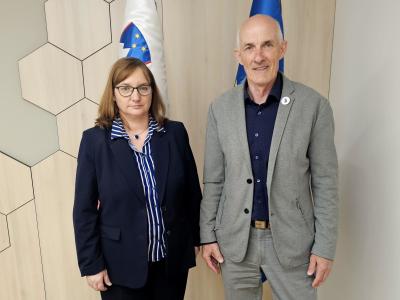
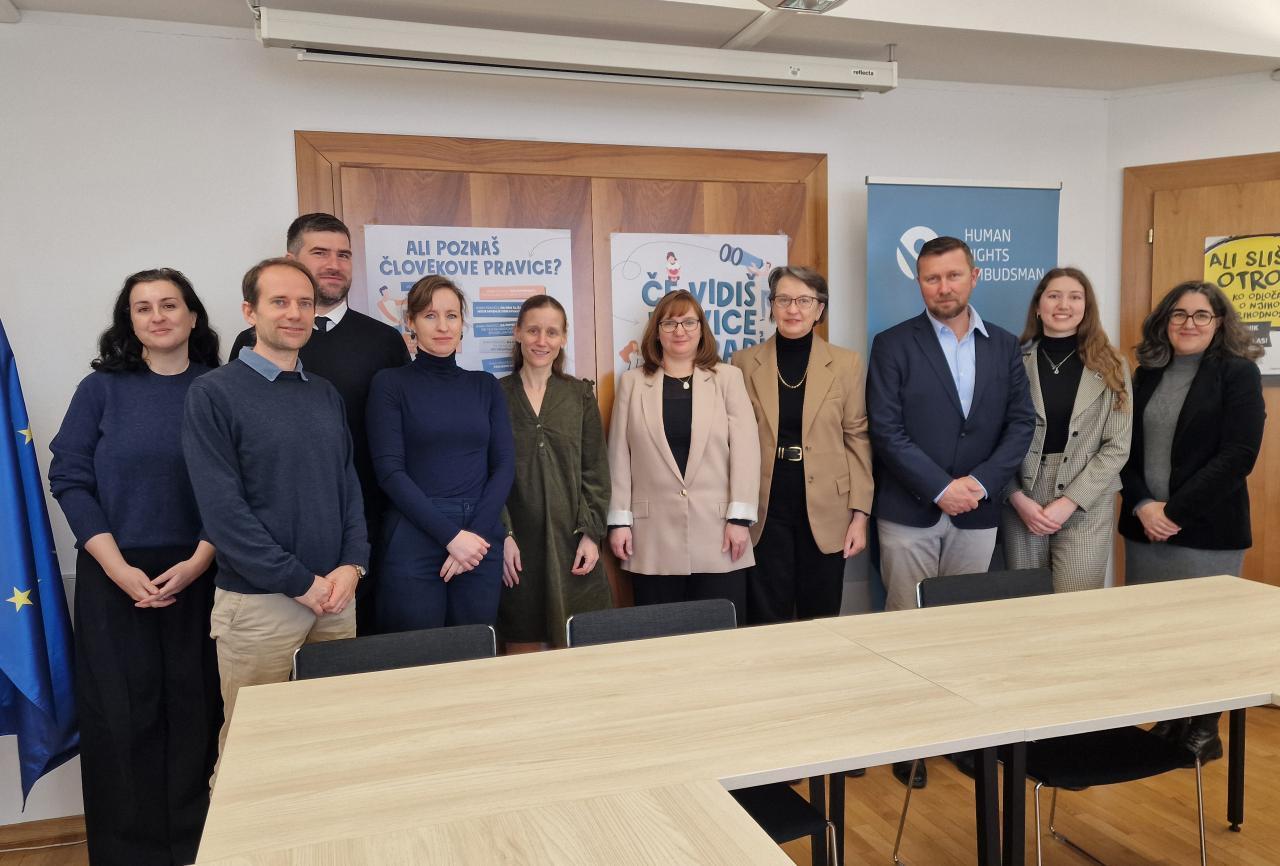
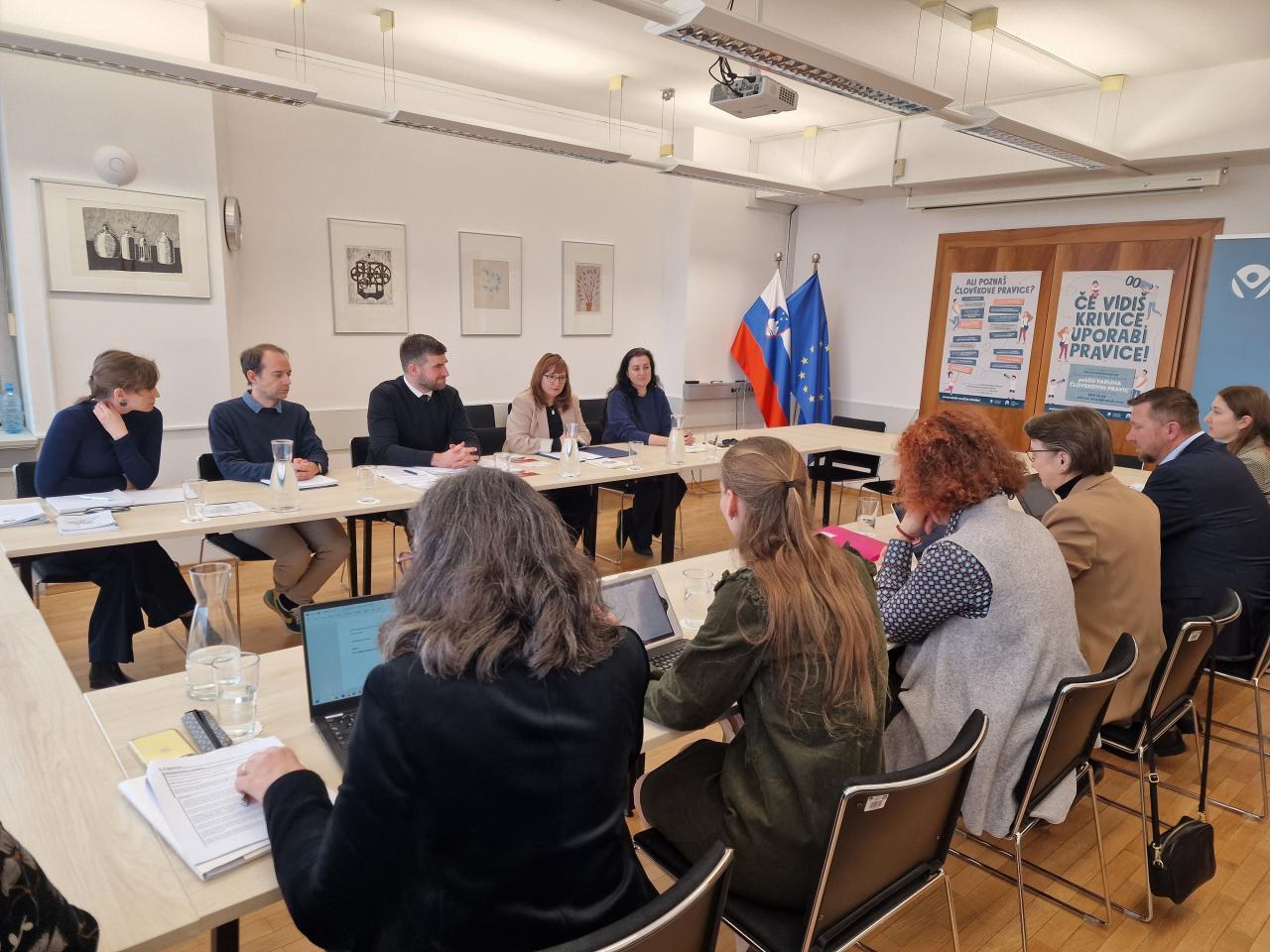
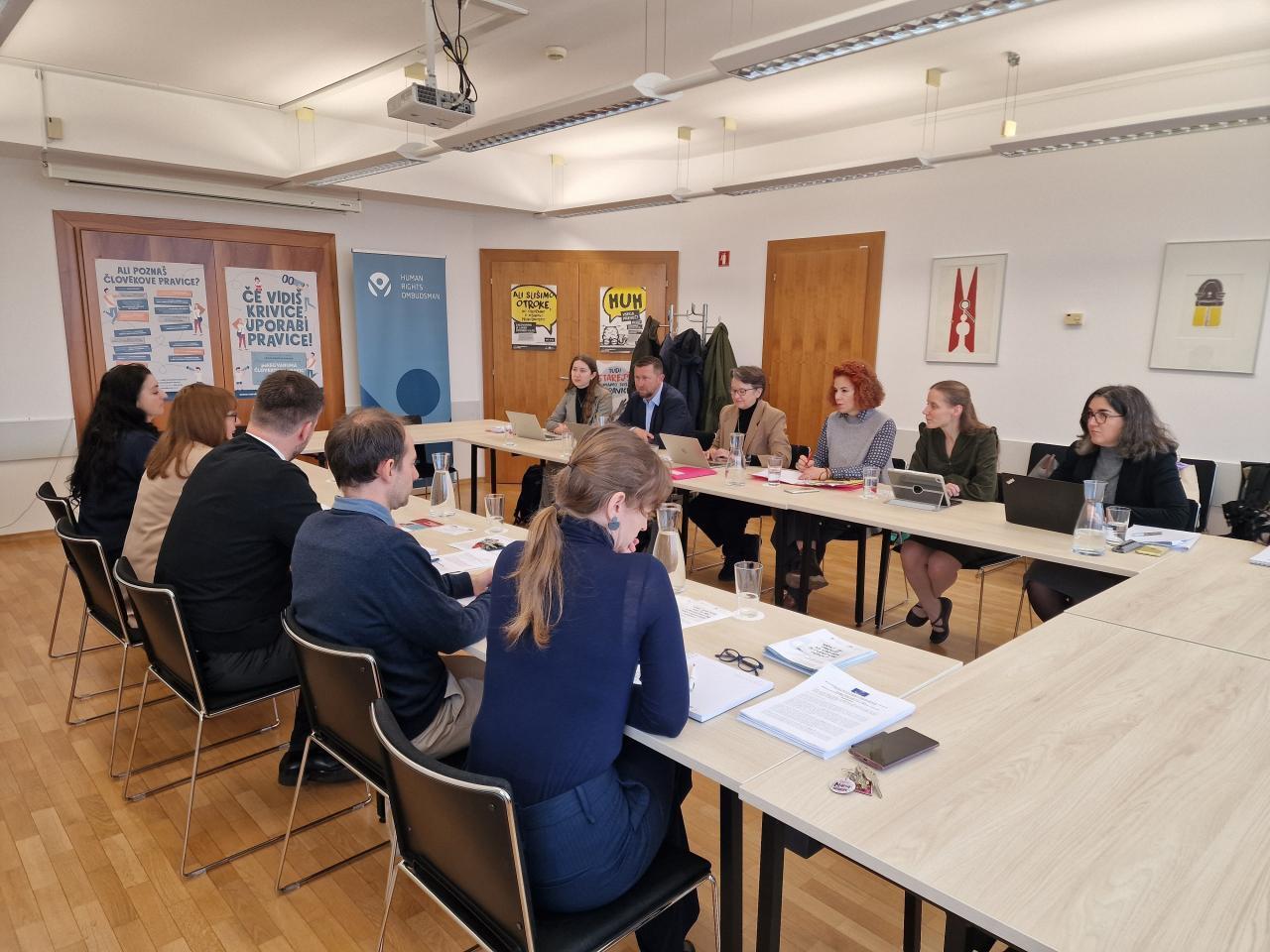
On 2 March 2026, the Human Rights Ombudswoman, Dr Simona Drenik Bavdek, welcomed members of the Advisory Committee on the Framework Convention for the Protection of National Minorities to the Human Rights Ombudsman's premises in Slovenia, as part of the sixth monitoring round of the convention's implementation in the country. The purpose of the meeting was to review the progress and the actual situation in the field of the implementation of the rights guaranteed by the Framework Convention.
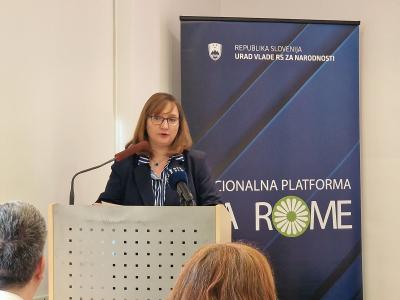
Dr Drenik Bavdek and her colleagues presented the legislative and systemic changes in the field of protection against discrimination and protection of national minorities from 2021 onwards to the members of the committee. She highlighted several important changes, including an amendment to the Criminal Code which defines bias as a mandatory aggravating circumstance in sentencing from 2023, and changes to legislation in the fields of public order and the media which strengthen the state's response to hate speech and public incitement to hatred. However, she also pointed out that Slovenia still lacks a comprehensive anti-discrimination strategy and that the systematic collection of disaggregated data according to personal circumstances has yet to be implemented in practice.
A special part of the discussion was devoted to the situation of the Roma community. The Ombudswoman emphasised that the Ombudsman's key recommendations, particularly regarding access to drinking water, electricity, sanitation, settlement management and the adoption of municipal programmes, have been repeated for many years, yet progress remains too slow. She also expressed concern about the adoption of the Act on Urgent Measures to Ensure Public Safety in November 2025, particularly Article 8, which permits interference with cash social assistance. The Ombudsman therefore requested a constitutional review and proposed temporarily suspending the implementation of the provision as it interferes with individuals' means of survival. In the Ombudsman's opinion, no appropriate prior human rights impact assessment had been carried out.
She also drew attention to systemic shortcomings in monitoring the implementation of the National Programme of Measures for Roma 2021–2030, as well as the absence of a uniform, institutionalised mechanism for monitoring and evaluating measures. Without regular monitoring, clear indicators and disaggregated data, it is impossible to effectively assess progress or the responsibility of those implementing the measures, in her opinion.
Regarding the Italian and Hungarian national communities, the Ombudswoman raised concerns about the equal use of language in notarial procedures and the adequate representation of official languages on bilingual personal documents. Based on the Ombudsman's previous interventions, some systemic shortcomings have already been eliminated, including in the area of recognition of achievements when applying for Zois scholarships.
At the end of the meeting, Human Rights Ombudswoman Dr Simona Drenik Bavdek emphasised that the effective protection of the rights of national minorities requires the consistent implementation of legislation, the systematic monitoring of the effects of measures and the political will to eliminate long-standing structural inequalities.
Between 2 and 6 March, the Advisory Committee will also meet with representatives of the Slovenian government, independent national bodies, local authorities, and representatives of national minorities and civil society. Based on the information gathered, the Committee will prepare a report containing its findings and recommendations for Slovenia. This process is an important part of international monitoring and can influence the development of minority policies in the country.
 Back
Back