The Ombudsman's Operations Outside the Headquarters in Koper


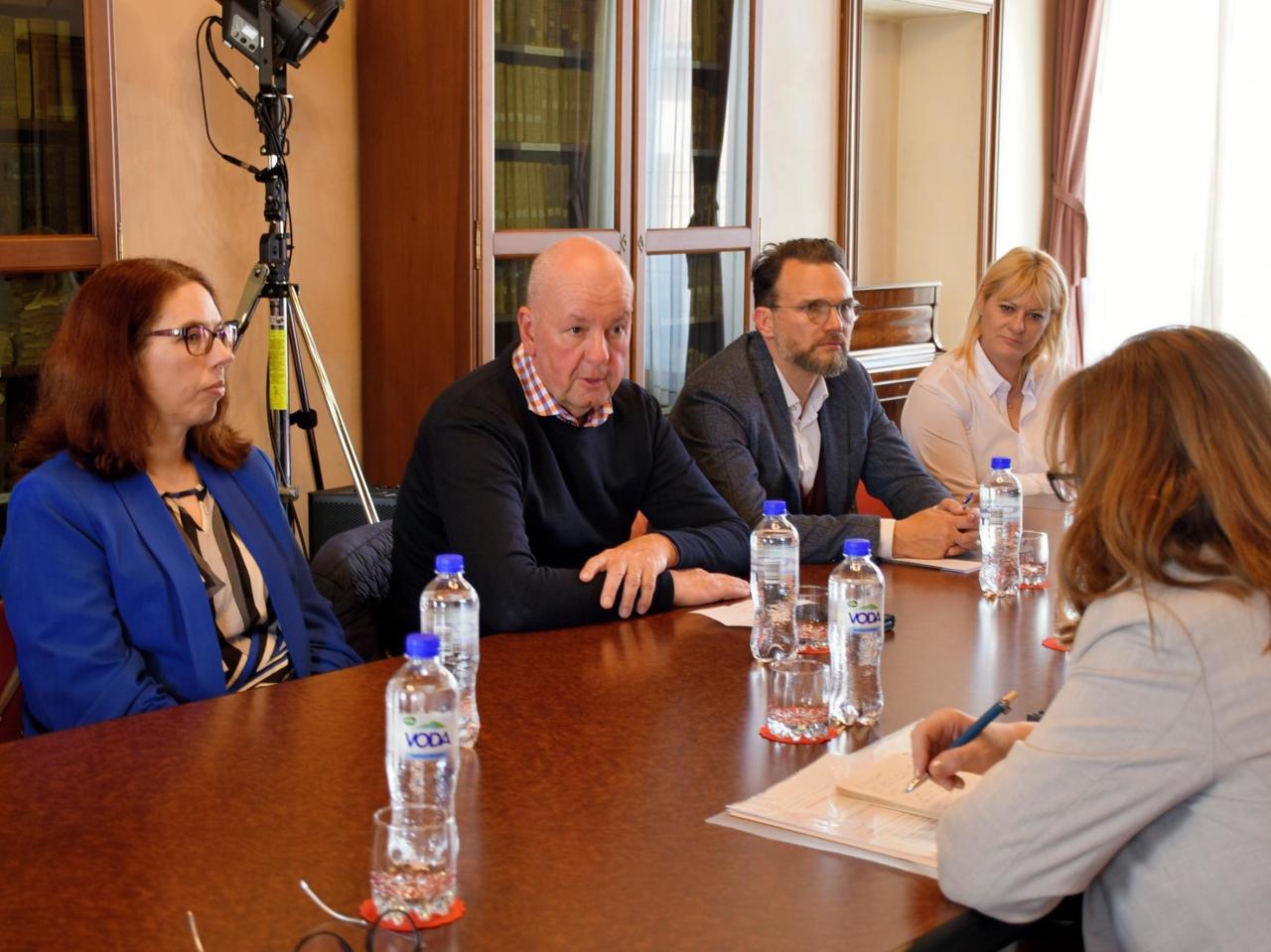
Today, the Human Rights Ombudswoman, Dr Simona Drenik Bavdek, and her colleagues conducted the Ombudsman's operations outside the headquarters in Koper. During the visit, she met with representatives of the Social Work Centre Koper, the Koper Police Station, the Municipality of Koper, the Coastal Self-Governing Community of the Italian Nationality, and child advocates. A key part of the Ombudsman's operations was a meeting with individuals who, in one-on-one conversations with the Ombudswoman and her deputies, presented personal problems which they believe are related to violations of their rights.
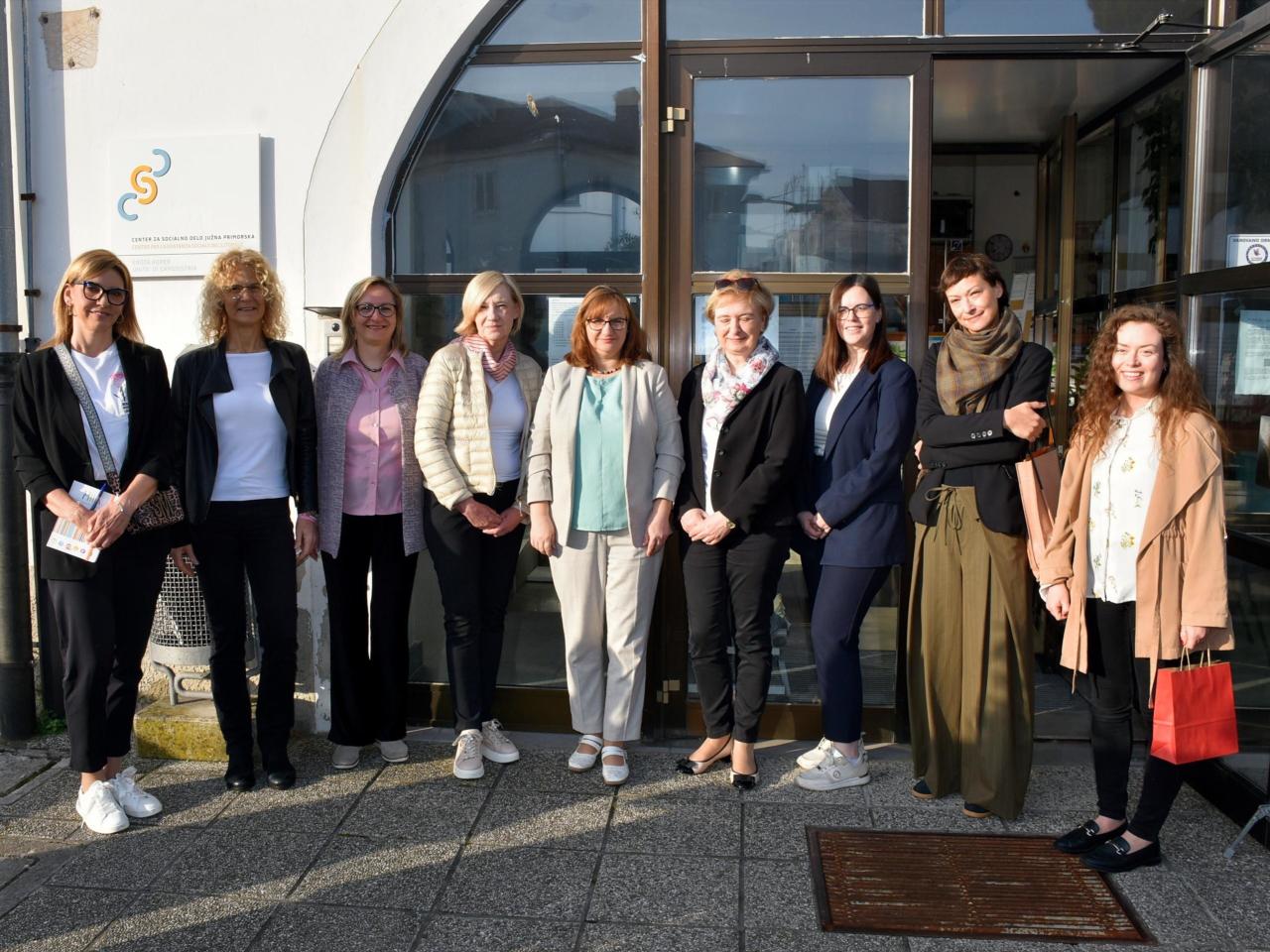
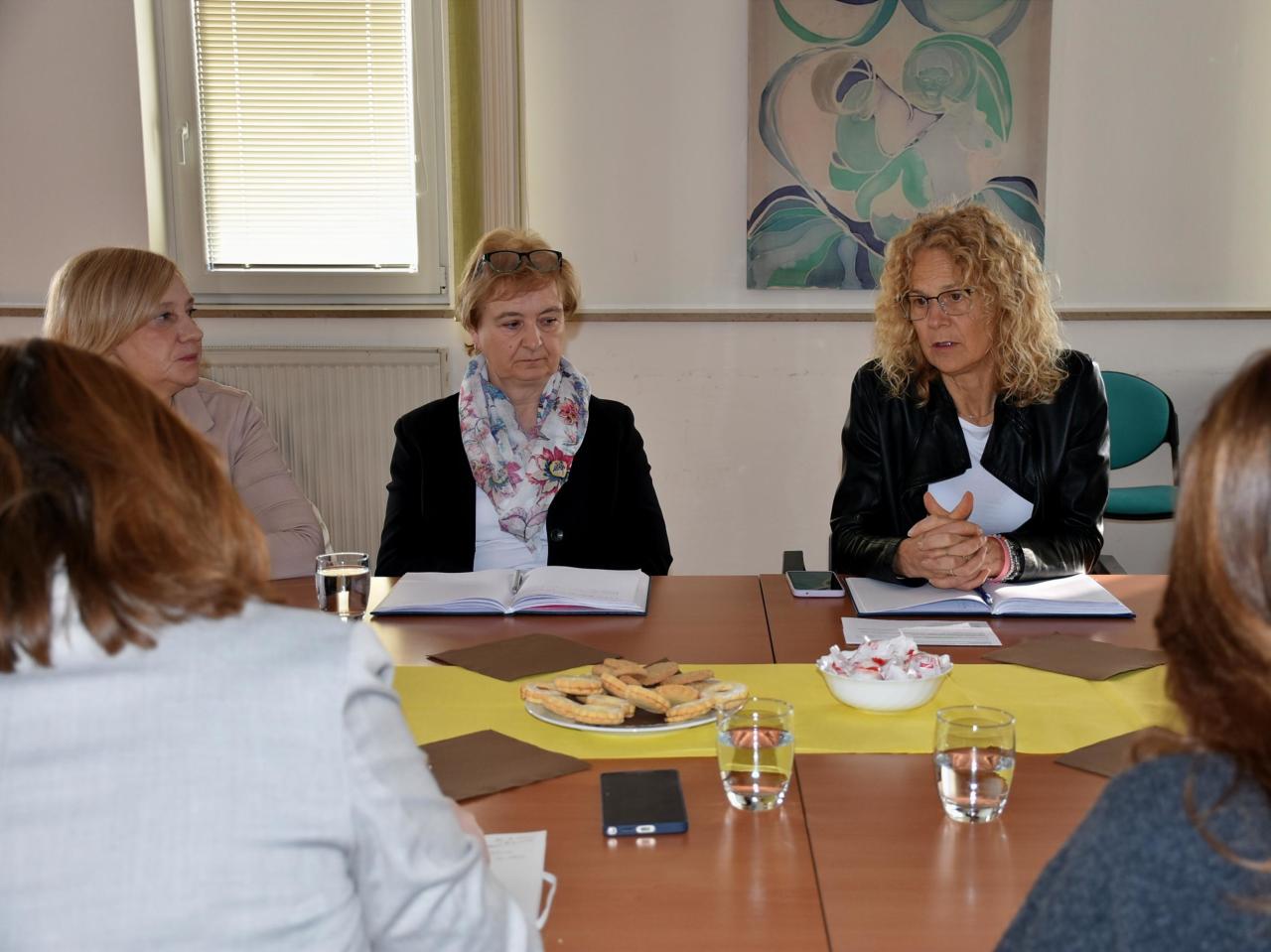
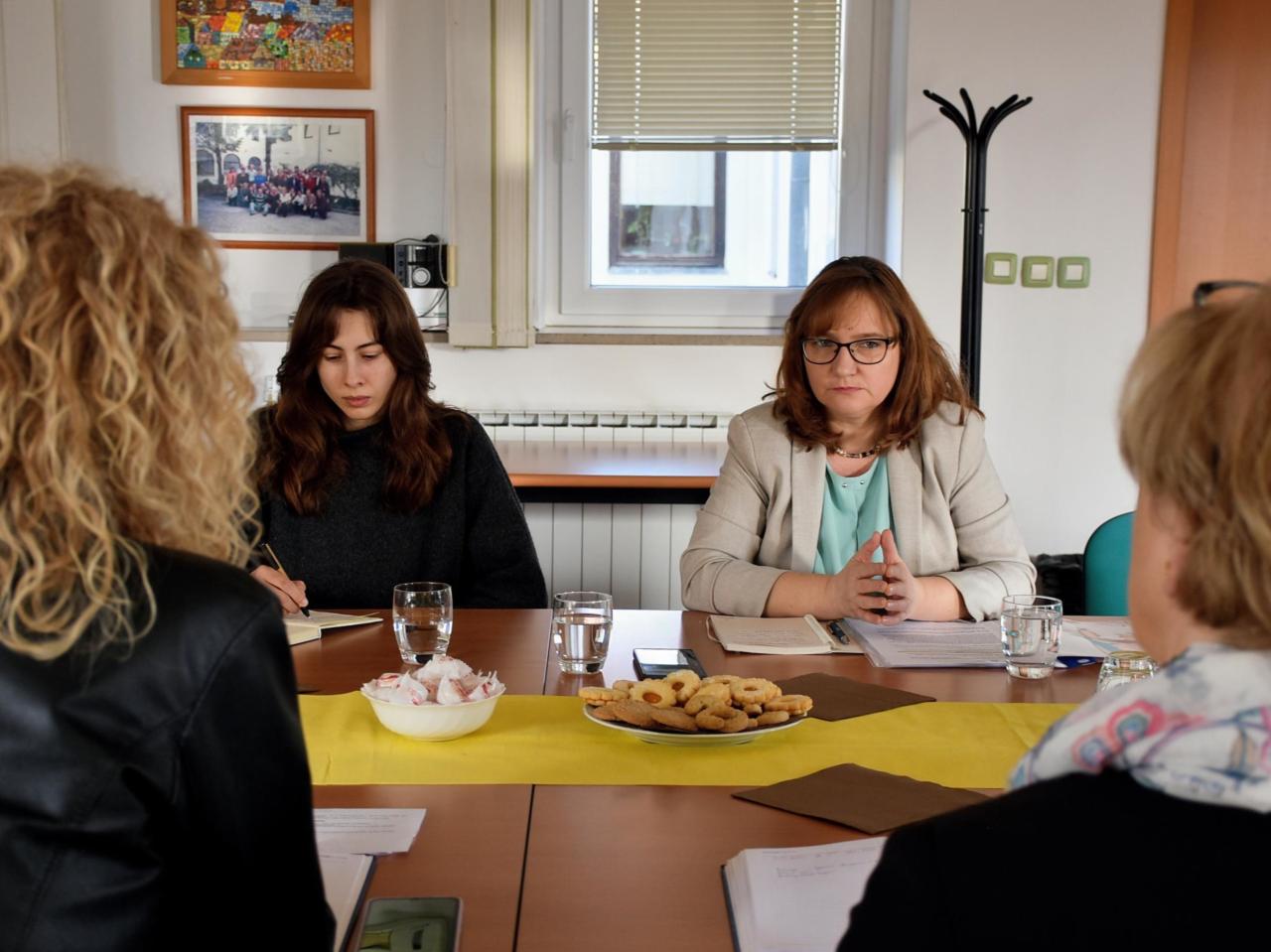
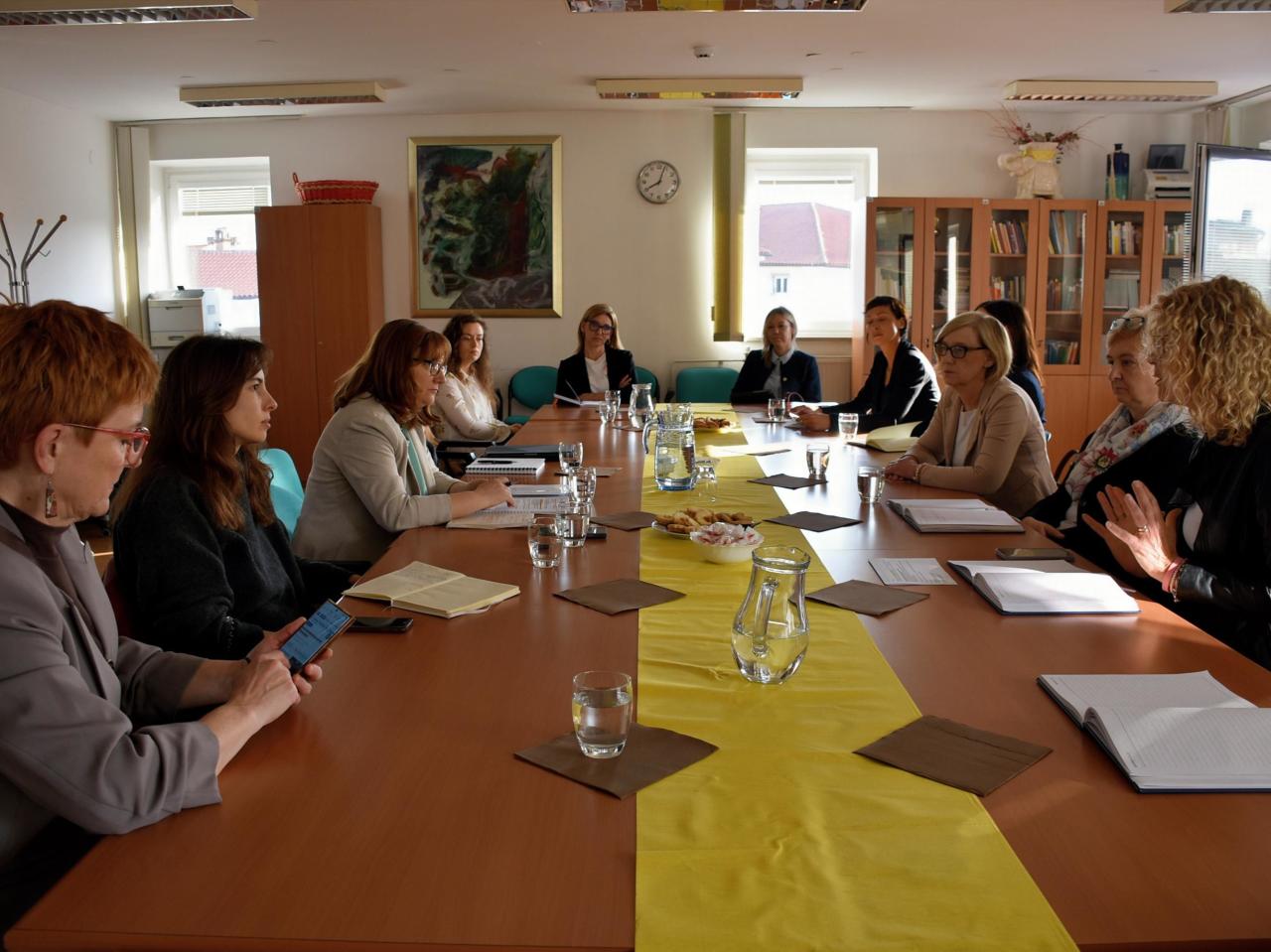
Dr Simona Drenik Bavdek began the Ombudsman's operations outside the headquarters with a visit to Center za socialno delo Južna Primorska, enota Koper (Social Work Centre South Primorska, Koper Unit). Representatives of the Piran, Izola and Sežana units, the Dnevni center za mladostnike in otroke Koper (day centre for children and adolescents in Koper), the Dnevni center Barčica (Barčica day centre), and the stanovanjska skupina Val (Val residential group) also attended the meeting. They presented the work of the centre, its key areas, and the cases it addresses at the level of individual units, and drew particular attention to certain challenges that hinder or even prevent their work and activities.
They highlighted issues relating to long-term care, the placement of older persons after discharge from hospitals, the shortage of foster families, and the placement of children with emotional and behavioural difficulties, as well as other challenges they face. With regard to long-term care, they emphasised that the absence of an information system represents a major issue, resulting in unreasonably lengthy procedures. A particular challenge is the lack of emergency accommodation for older persons discharged from hospitals without appropriate arrangements for accommodation or support. They also drew attention to the growing number of users of home care services. In their view, there is a significant need for additional staff and capacities, such as nursing hospitals or emergency accommodation. They further warned that crisis and specialised centres are facing overcrowding and increasingly complex cases, often exceeding their competences and expertise. The discussion concluded that all of the above clearly indicates the urgent need for comprehensive systemic solutions.
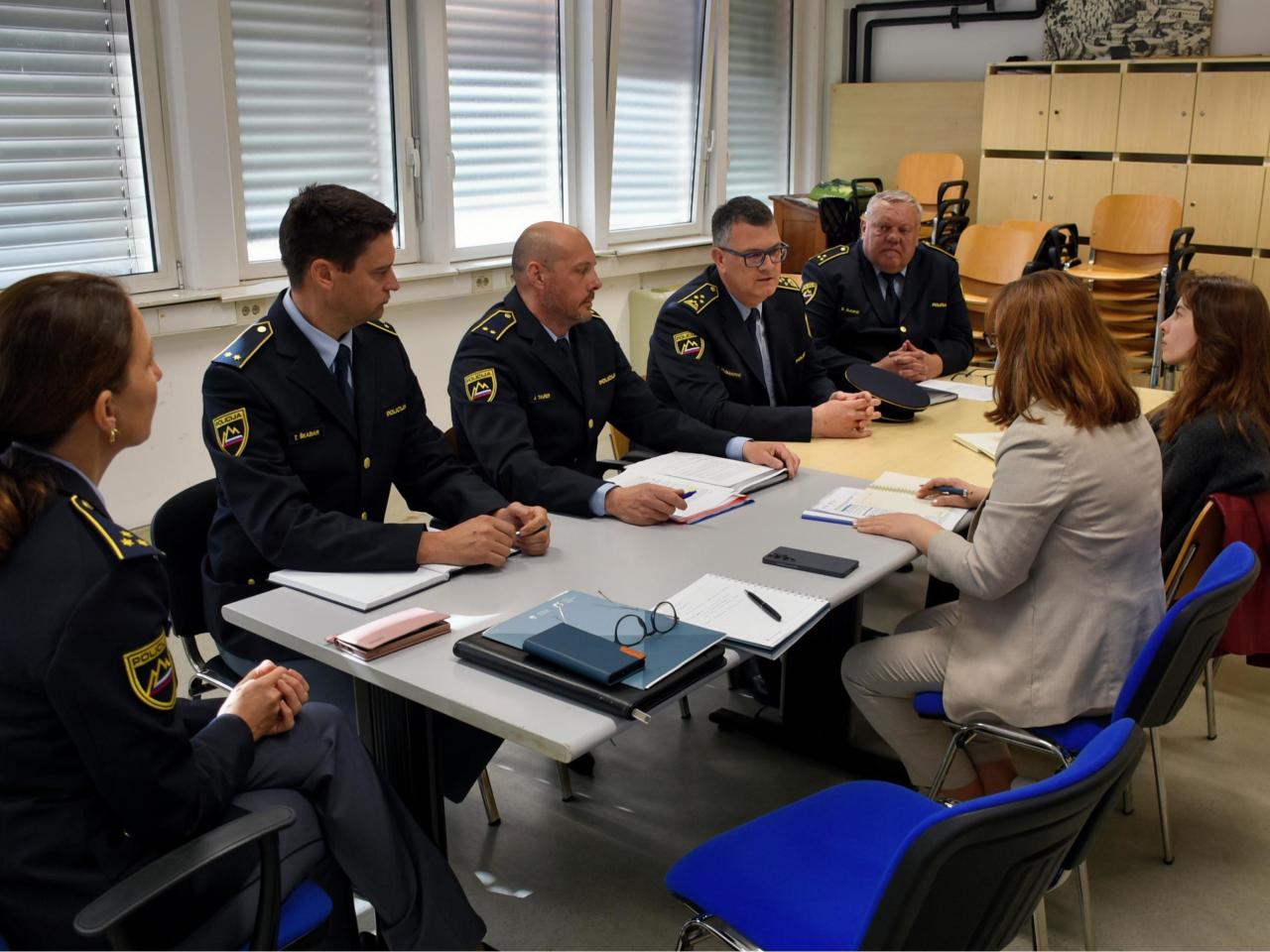
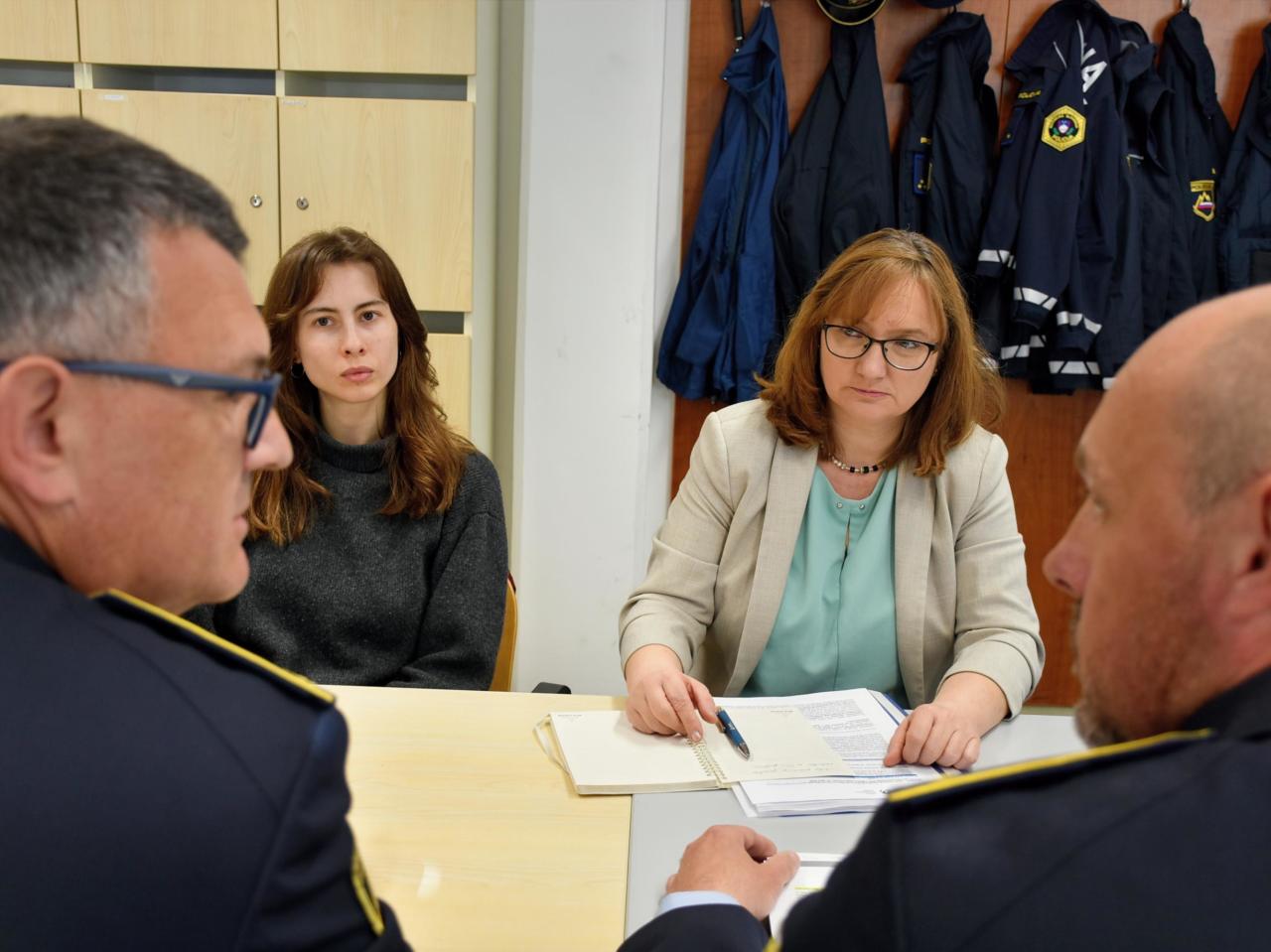
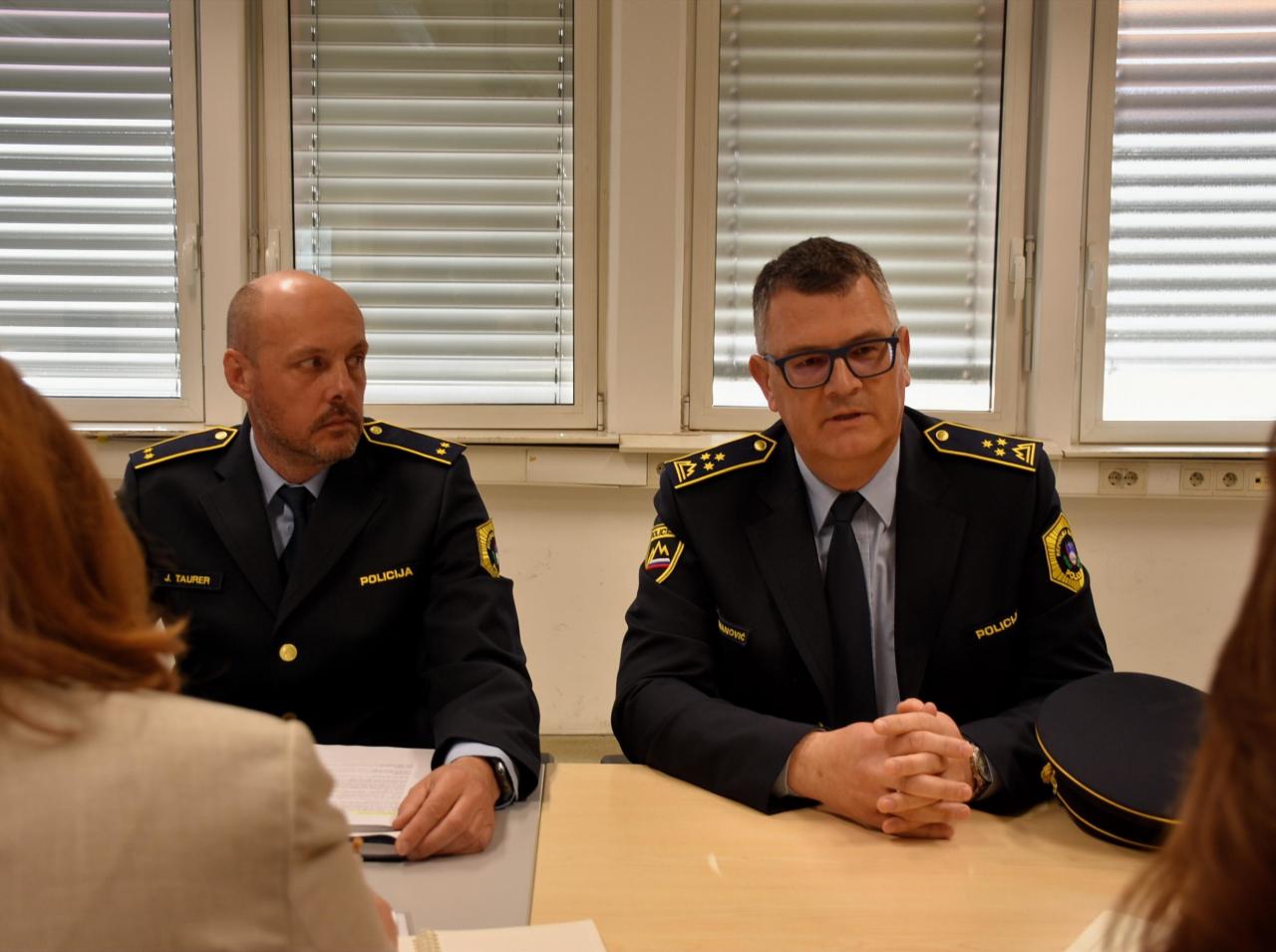
At the Koper Police Station, the Ombudswoman familiarised herself with police work in a multi-ethnic environment, where challenges are also related to the tourist season. They assessed the overall level of safety as high; however, they pointed to an increase in online fraud and issues related to the use of scooters. They also noted the impact of social media on the behaviour of adolescents, who record or photograph inappropriate behaviour and publish such content online. Particular attention is paid to training for the proper exercise of police powers, and in the field of the use of coercive measures they report a high proportion of appropriately conducted procedures. The Ombudswoman was also informed of individual cases of peer violence and juvenile delinquency. The interlocutors also addressed concerns relating to minority rights. The Ombudswoman specifically drew attention to Article 29 of the Universal Declaration of Human Rights, which is often overlooked and emphasises that the exercise of human rights also entails an individual's responsibility towards the community and others. She added that the right to personal security is a fundamental human right, and that the police are also responsible for safeguarding the procedural rights of individuals.
At Pretorska palača (Praetorian Palace), the Ombudswoman and her deputies held discussions with individuals. The Ombudsman received 26 initiatives from individuals from various surrounding areas, not only from Koper. The volume of cases requires an additional visit to the municipality next week. During the discussions, individuals raised issues relating to court proceedings, housing, noise, employment relations, police procedures, and access to healthcare. The Ombudswoman and her colleagues listened to people's concerns and initiatives; some of these will be addressed within the competences of the Ombudsman.
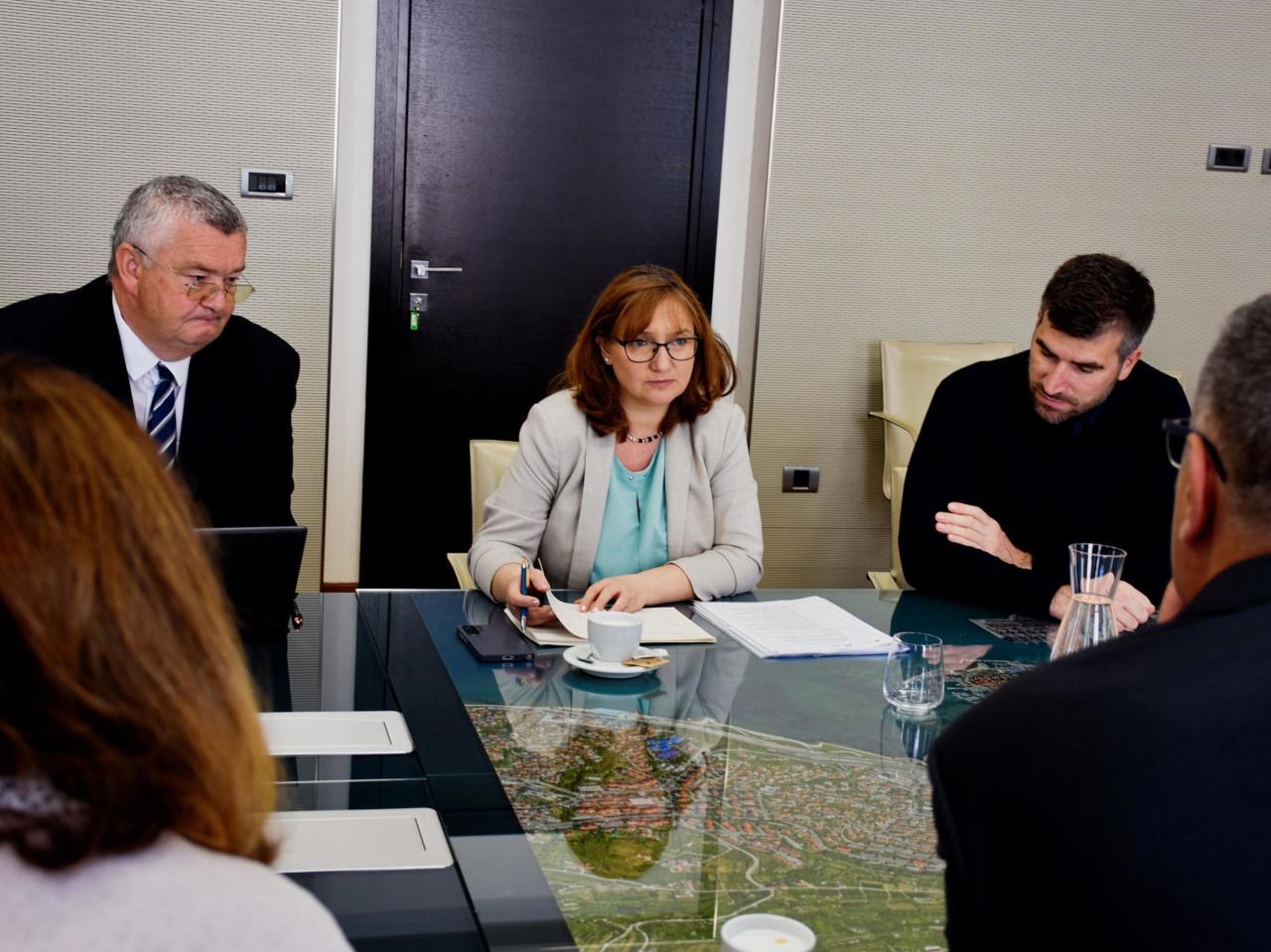
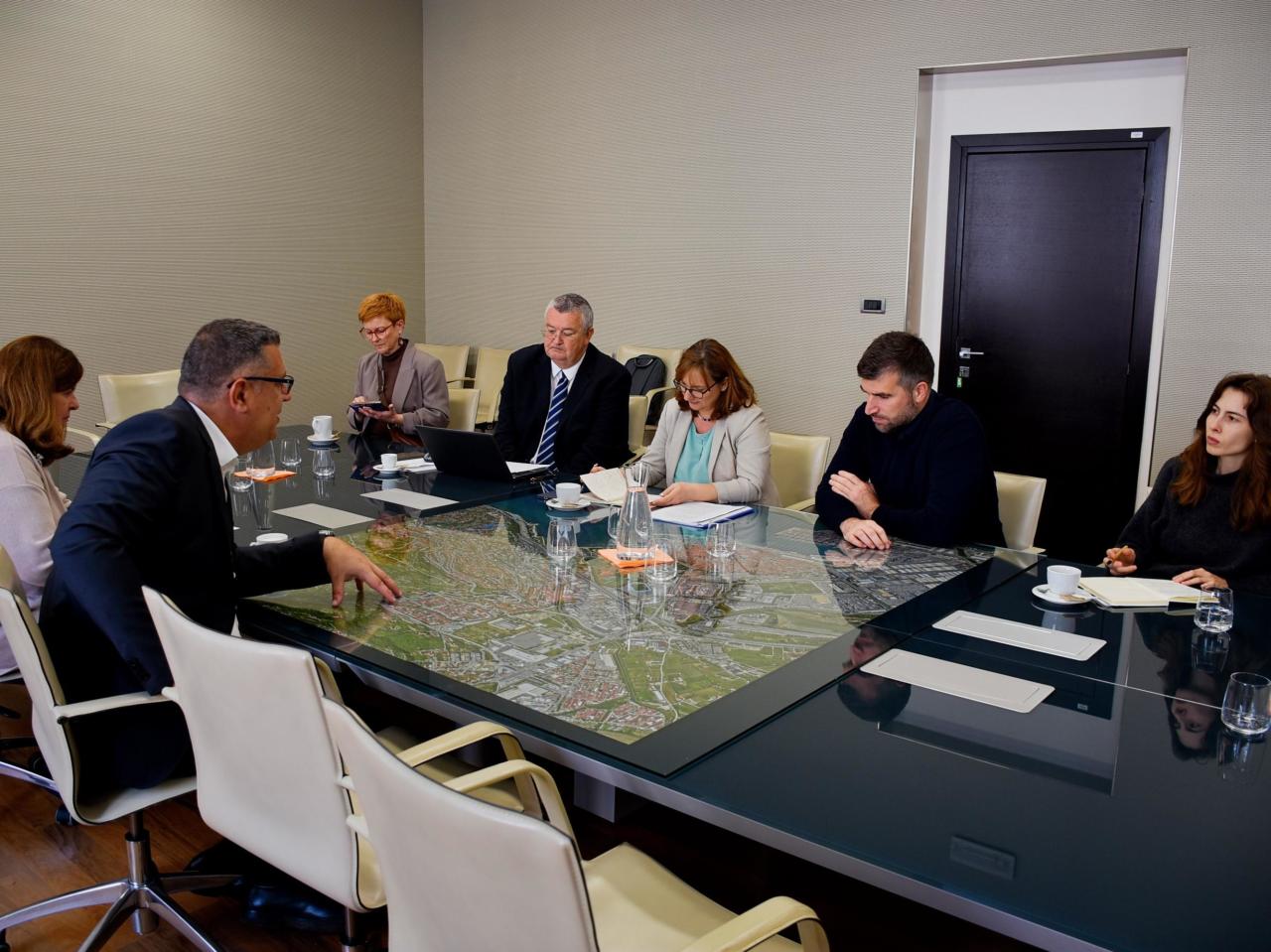
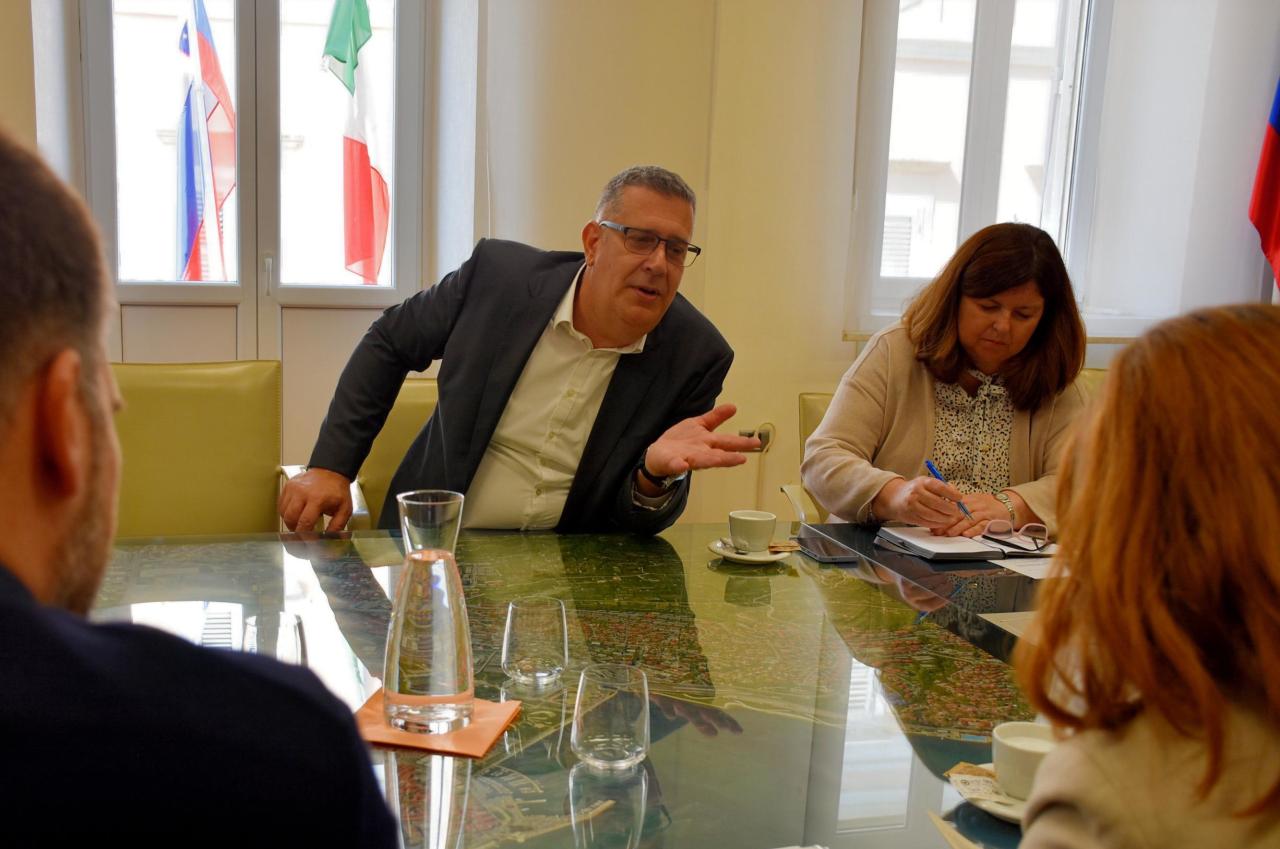
Together with Aleš Bržan, Mayor of the Municipality of Koper, they discussed challenges in the field of long-term care, including the placement of older persons in care homes, housing issues, inheritance proceedings, and accessibility for persons with disabilities. They also discussed the accessibility of healthcare services and transport for older persons in more remote areas, tolerance in a multicultural environment, climate change issues, and free legal aid. The Ombudswoman also informed the Mayor about certain issues and initiatives identified by the Ombudsman's staff during discussions with individuals who had approached them.
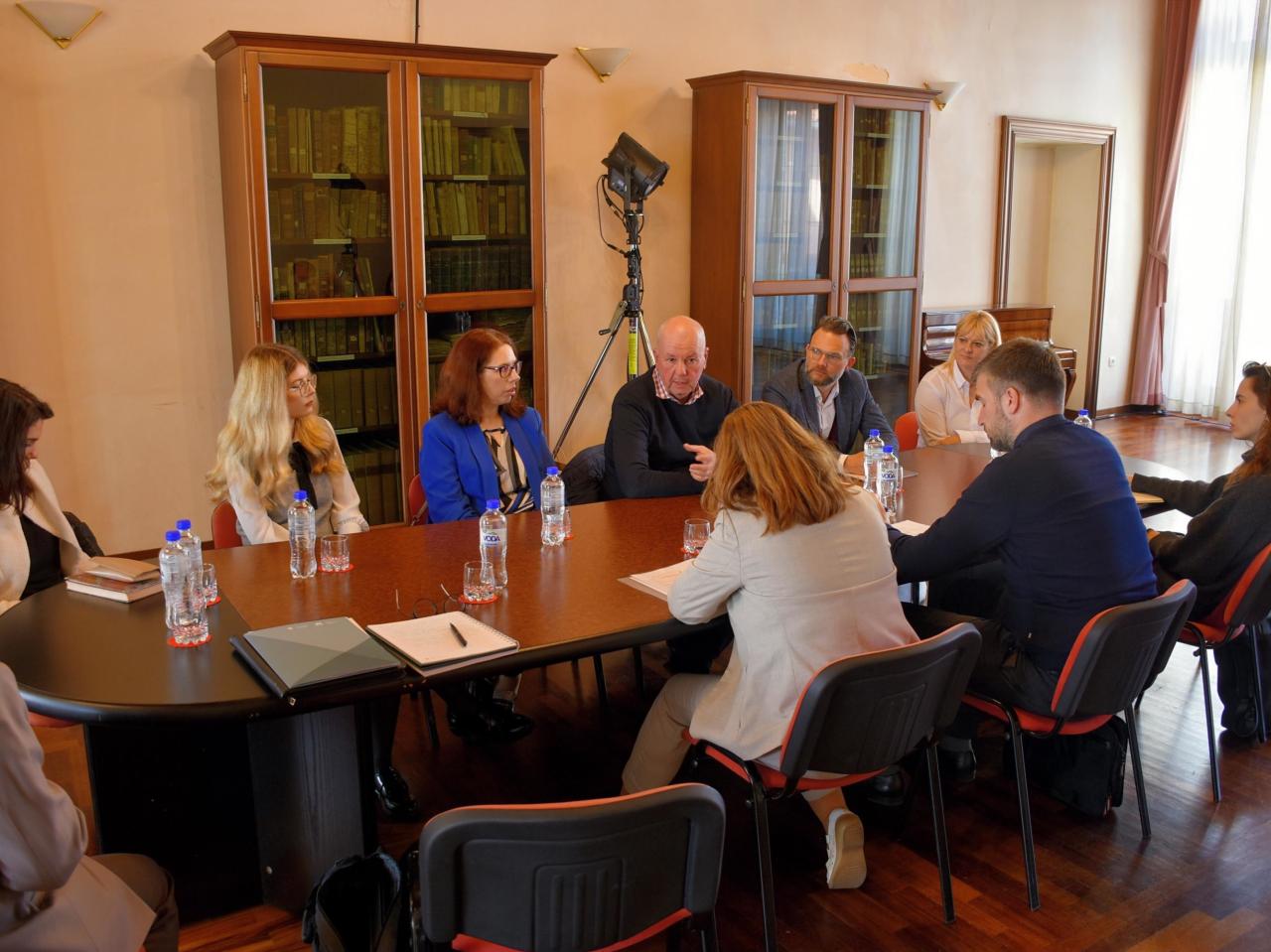
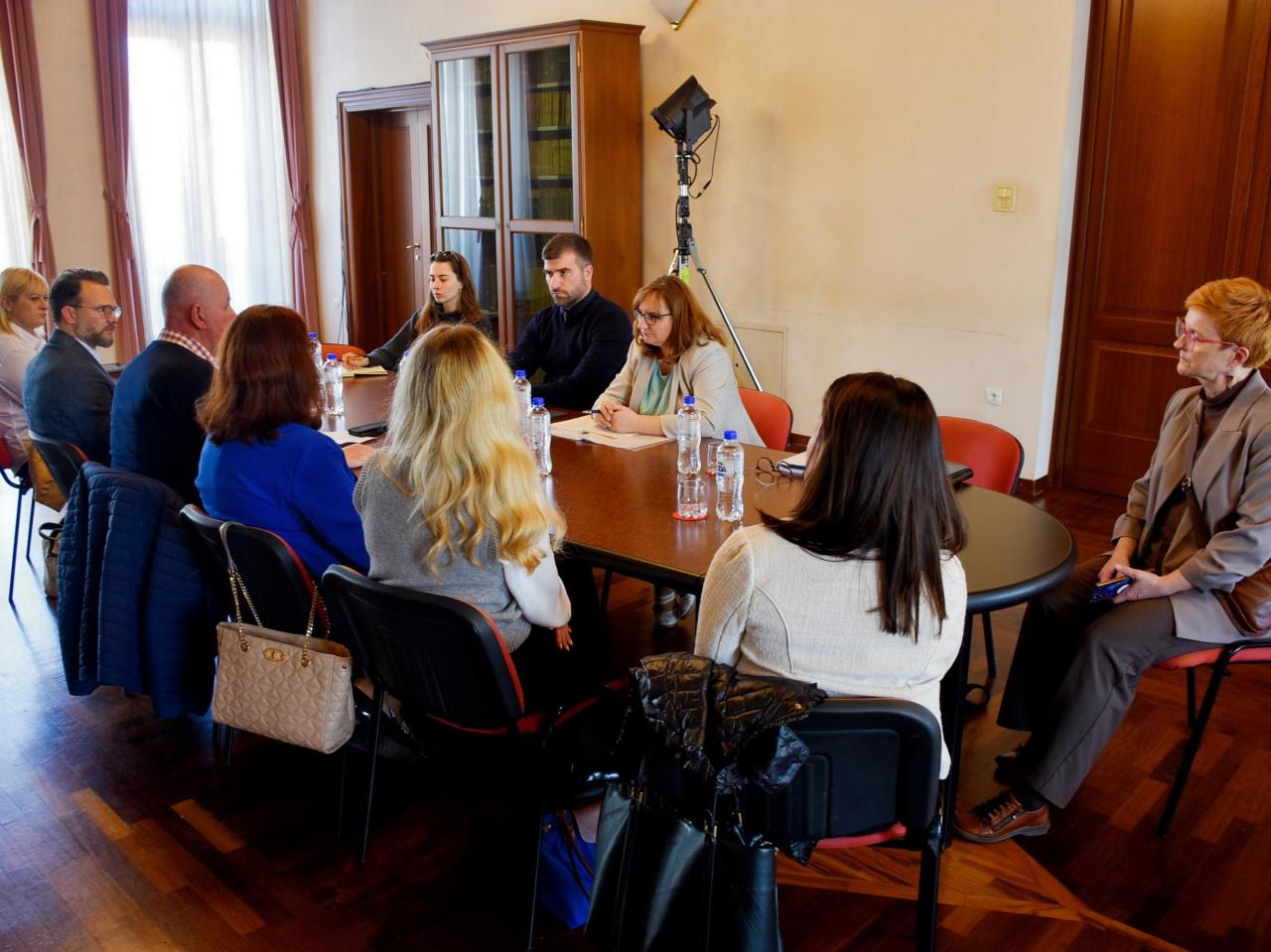
In the afternoon, the Ombudswoman met with representatives of the Coastal Self-Governing Community of the Italian Nationality. The Italian minority identified several key challenges relating to the practical implementation of bilingualism, particularly in education, in dealings with state authorities and local communities, and in healthcare. They specifically highlighted the issue of ensuring Italian-language RTV programmes, noting a decline in content and a lack of responsiveness from the competent institutions to their requests and initiatives. They also face difficulties in securing qualified staff with an adequate level of Italian language proficiency, particularly in education and healthcare. At the same time, they emphasised good cooperation with the Ministry of Public Administration and expressed their expectation of continued cooperation and joint projects in the field of training, including with the Administrative Academy.
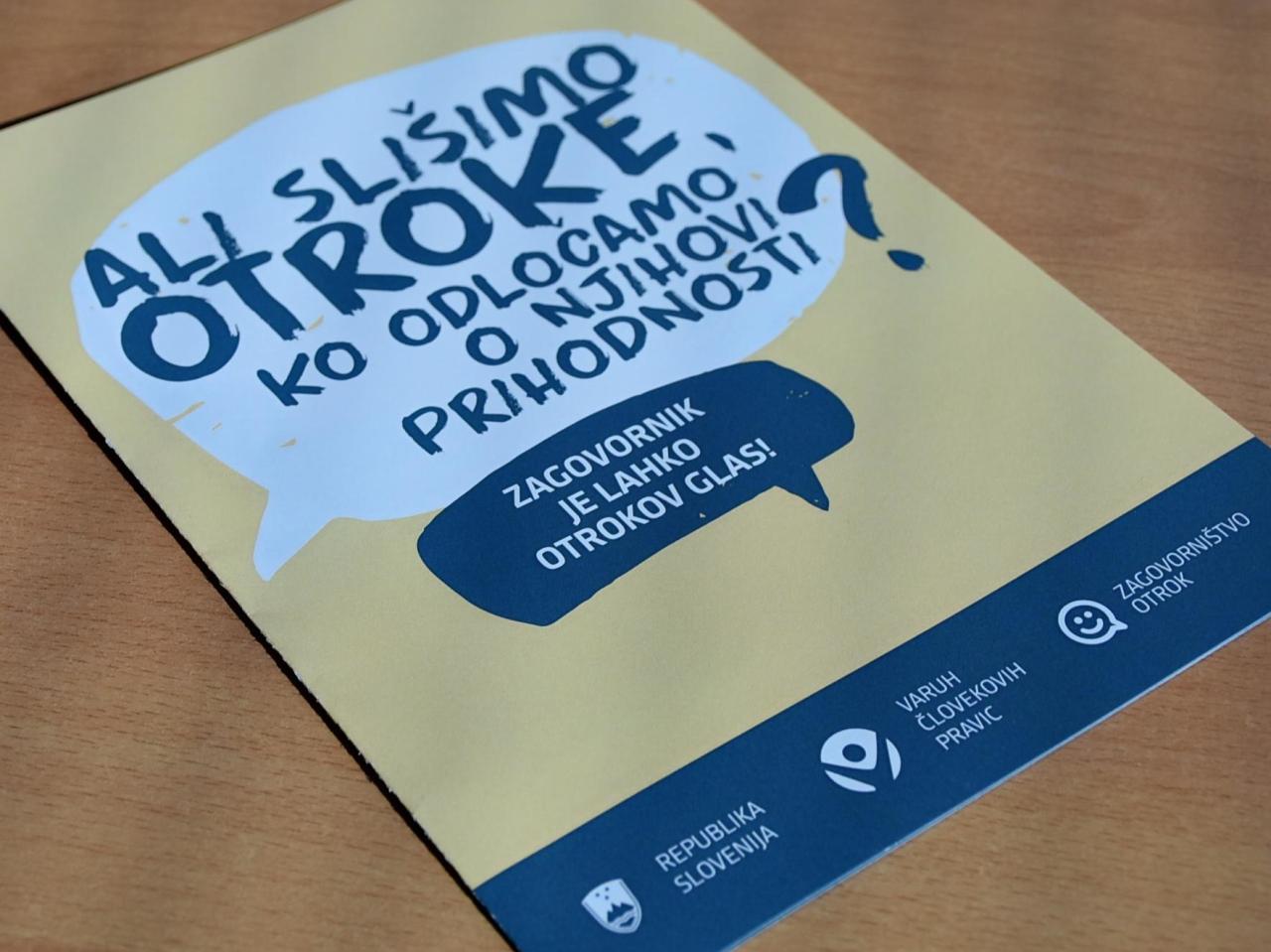
The Ombudswoman concluded the visit with a meeting with child advocates. They presented practical experiences, including moving stories that demonstrate the value and importance of their work. They emphasised that advocacy provides a unique environment in which children can freely express themselves and share their concerns. "With an advocate, children gain a positive experience, as it empowers them; among other things, we advocates do not judge them, but listen to them," they stressed. The Ombudswoman emphasised that advocacy provides an important opportunity for children to confide in someone. In all matters or proceedings involving a child, the child has the right to express their opinion, views and wishes. Advocates ensure that children are heard and that their views are communicated to the relevant authorities—courts, social work centres, and other bodies deciding on their future. The Ombudswoman added that she will strive to strengthen children's rights, including through the establishment of a children's rights ombudsman, which would operate autonomously within the Ombudsman.
The Ombudsman conducts operations outside the headquarters approximately once a month, each time in a different location across Slovenia. Last month, the Ombudsman operated in the Municipality of Ribnica, and next month the operations outside the headquarters will take place in Novo mesto. Individuals must register in advance for a meeting by calling +386 30 720 225.
 Back
Back