Slovenia before CERD after ten years: the Ombudsman highlights persistent systemic shortcomings in addressing racial discrimination


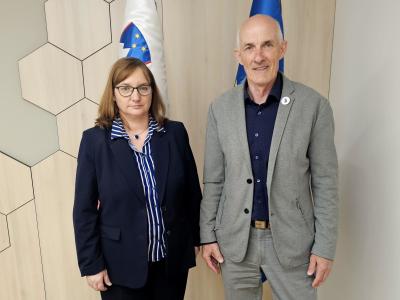
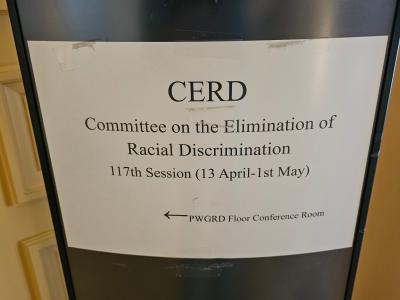
Today, 30 March 2026, the Human Rights Ombudsman of the Republic of Slovenia (the Ombudsman) submitted its alternative report on the implementation of the International Convention on the Elimination of All Forms of Racial Discrimination to the United Nations Committee on the Elimination of Racial Discrimination (CERD), as the twelfth to fourteenth periodic reports of the Republic of Slovenia will be considered during the 117th session of CERD, to be held in Geneva from 13 April to 1 May 2026. In this context, Dr Simona Drenik Bavdek, Human Rights Ombudswoman, emphasises that approximately ten years have passed since Slovenia was last reviewed by this Committee, which further underlines the importance of assessing progress and identifying persistent systemic shortcomings over this period.
The Ombudsman notes that, despite certain legislative progress, key structural problems remain unresolved. The Republic of Slovenia has still not adopted a comprehensive anti-discrimination strategy, nor has it established an effective, legally compliant and systematic collection of disaggregated data on ethnic origin, which constitutes an obstacle to the effective design and evaluation of equality policies.
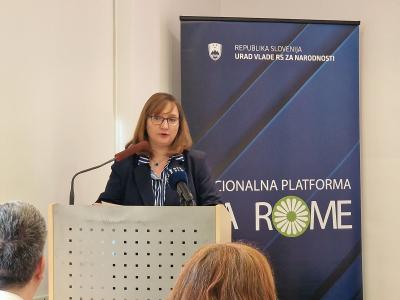
The situation of the Roma community remains particularly concerning. The Ombudsman highlights continued spatial segregation, the unresolved legal status of numerous settlements, and inadequate access to basic infrastructure, including drinking water, electricity and sanitation. Despite individual measures being taken, significant disparities in access to education, healthcare and employment persist, with Roma children and women being particularly exposed to multiple discrimination. Early and forced marriages, as well as insufficiently effective prevention mechanisms, are also a matter of particular concern.
In the area of migration, the Ombudsman points to significant shortcomings, in particular lengthy administrative procedures, legal uncertainty regarding residence status, and inadequate procedural standards in procedures under the Dublin Regulation. The Ombudsman also draws attention to multiple and intersectional discrimination, as highlighted by non-governmental organisations, particularly where ethnic origin intersects with other personal circumstances, including sexual orientation, gender identity and migration status. The Ombudsman further notes insufficient identification of victims of human trafficking, particularly in cases of forced begging; the absence of a comprehensive protection system for unaccompanied minors; and limited access of certain groups of foreign nationals to healthcare and social protection.
The issue of persons erased from the register of permanent residents remains partially unresolved. Despite the measures adopted, certain persons still do not have regulated status or effective access to basic rights, including social security and healthcare. The lack of comprehensive data and additional legislative solutions hampers the full redress of the consequences of the erasure.
In the area of hate speech and hate crime, the Ombudsman notes a gap between the legal framework and its implementation. Despite legislative changes, the number of prosecutions and convictions remains low, and practice remains inconsistent. The Ombudsman also highlights the absence of a comprehensive strategy to combat hate speech and the limited effectiveness of existing oversight mechanisms, including in the digital environment.
Furthermore, the Ombudsman notes that Slovenia has not yet established an independent mechanism for monitoring police conduct, which represents a significant gap in terms of ensuring accountability and preventing potential abuses, including in cases where a discriminatory motive may be present.
In the period 2025–2026, the Ombudsman observes a strengthening of security-oriented policies and public discourse which, in certain cases, lead to the collective stigmatisation of the Roma community and increase the risk of indirect discrimination. The measures adopted, including those under the Act on Urgent Measures to Ensure Public Safety (ZNUZJV), which also allow for interference with social benefits, may disproportionately affect the most socially vulnerable groups. The Ombudsman emphasises that the State must address security challenges in a manner that respects the principles of proportionality, non-discrimination and respect for human dignity.
In the field of international law, the Ombudsman welcomes the ratification of the Convention on the Reduction of Statelessness, while noting that Slovenia has not yet ratified the International Convention on the Protection of the Rights of All Migrant Workers and Members of Their Families nor the Optional Protocol to the International Covenant on Economic, Social and Cultural Rights.
The Ombudsman emphasises that formal equality is not sufficient. The State must ensure substantive equality and the effective exercise of human rights for all, without discrimination, through active, coordinated and long-term measures.

 Back
Back