Responsible business is not a choice, but a responsibility to people and the environment


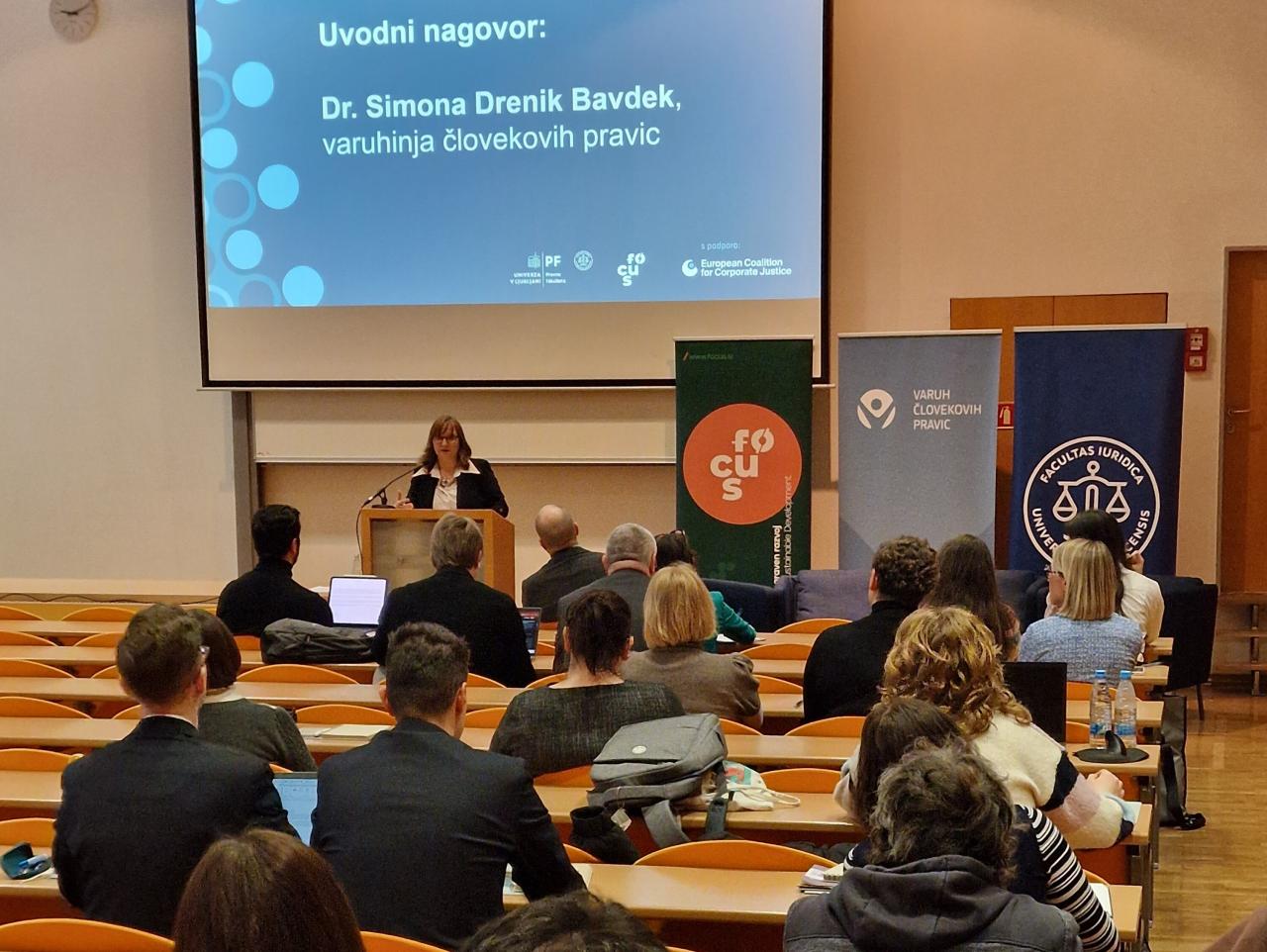
The Human Rights Ombudsman of the Republic of Slovenia, in cooperation with the environmental organization Focus and the Faculty of Law of the University of Ljubljana, organized a professional seminar entitled Responsibility and Due Diligence in Business Operations in Slovenia: Analysis of the Situation, Legal Framework, Good Practices, and Supportive Environment, which took place today, February 6, 2026, at the Faculty of Law of the University of Ljubljana. The event was attended by representatives of companies, non-governmental organizations, professionals, academics, and other interested members of the public. The event was attended by representatives of companies, non-governmental organizations, professionals, academics, and other interested members of the public.
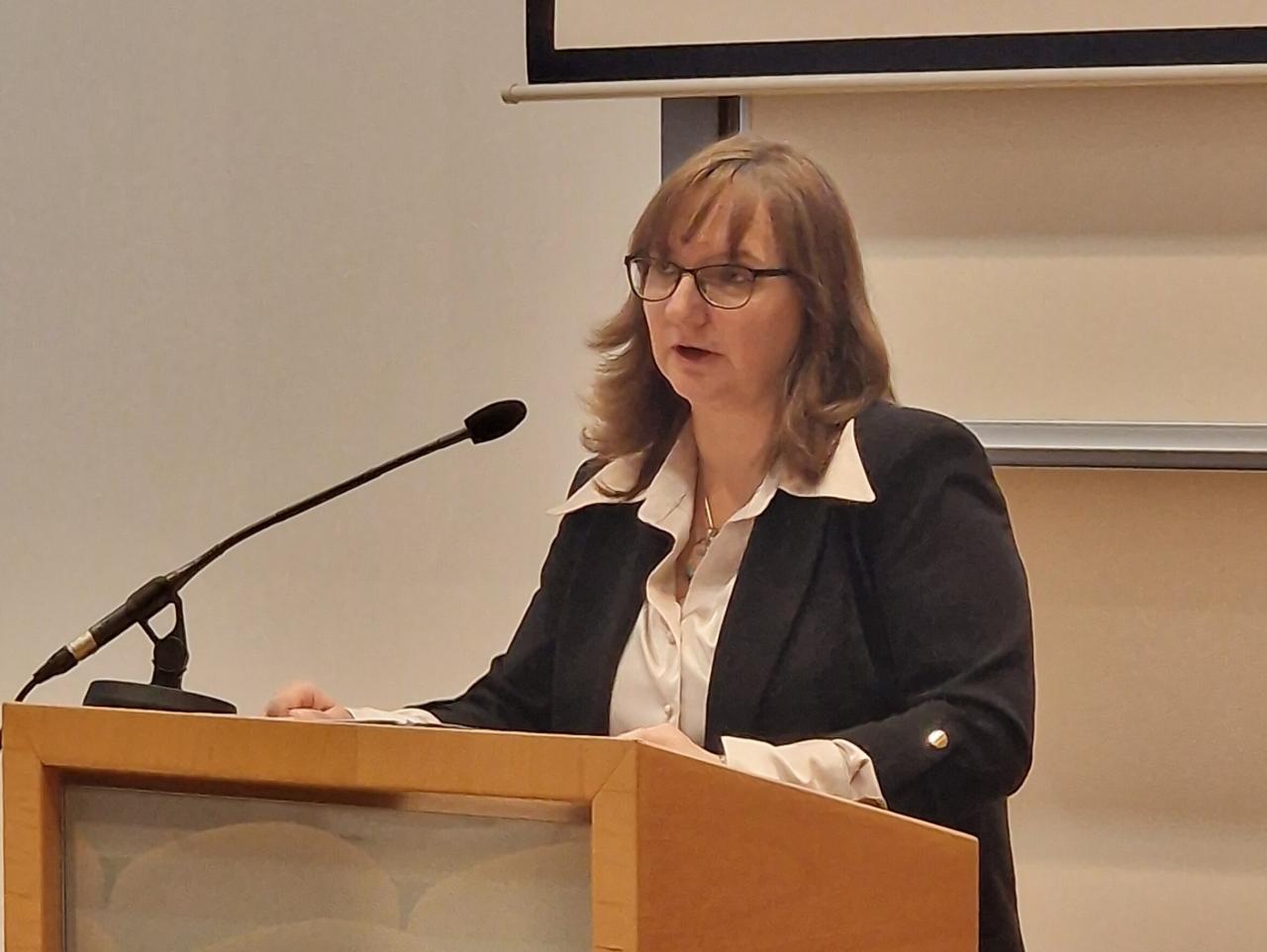
Human Rights Ombudsman Dr. Simona Drenik Bavdek emphasized in her address that due diligence is essential for the effective protection of human rights and the environment. "Without adequate due diligence systems, there is a risk that human rights violations and environmental damage will be hidden in complex supply chains, where they remain invisible and uncontrolled. Due diligence rules send a clear message that human rights and the environment are not external costs for companies, but a responsibility that companies must recognize, prevent, and be accountable for. And last but not least, it is a message of principle that economic development can and must be fair, transparent, and sustainable," emphasized the Ombudsman.
She also highlighted expectations regarding legislative changes currently being developed at the European Union level as part of the Omnibus package, which affects key directives in this area – the Corporate Sustainability Reporting Directive (CSRD) and the Corporate Sustainability Due Diligence Directive (CSDDD). The Ombudsman expects Slovenia to base its implementation of the CSDDD Directive on international standards, in particular the United Nations Guiding Principles and the OECD Guidelines, and to maintain ambition, clear oversight mechanisms, and effective access to legal protection in its transposition.
"It is particularly important to ensure legal protection for victims, as this is the only way to enforce rights in practice – human rights and environmental standards are ineffective if those affected have no means of obtaining redress. As the rules on civil liability have been significantly weakened in the latest proposal, which is a major step backwards from the original directive, the role of national law will be all the more important, which means that Slovenia has a lot of work to do in this area. Important questions remain open, such as how the supervisory authority will be established and organized, and whether it will have sufficient powers, knowledge, and resources to effectively supervise the implementation of due diligence in practice," added the Ombudsman.
Dr. Drenik Bavdek also pointed out that the significant reduction in the scope of the CSDDD directive, which now covers only a handful of Slovenian companies, is also a cause for concern, as it represents a major missed opportunity for a systemic increase in responsible business standards in Slovenia. Nevertheless, indirect effects must also be taken into account, as large companies will continue to require certain information and evidence of conduct in supply chains from their suppliers, including smaller companies, due to due diligence and reporting requirements. Therefore, the impact of the directive will also be significant for a wider range of companies in Slovenia, she pointed out.
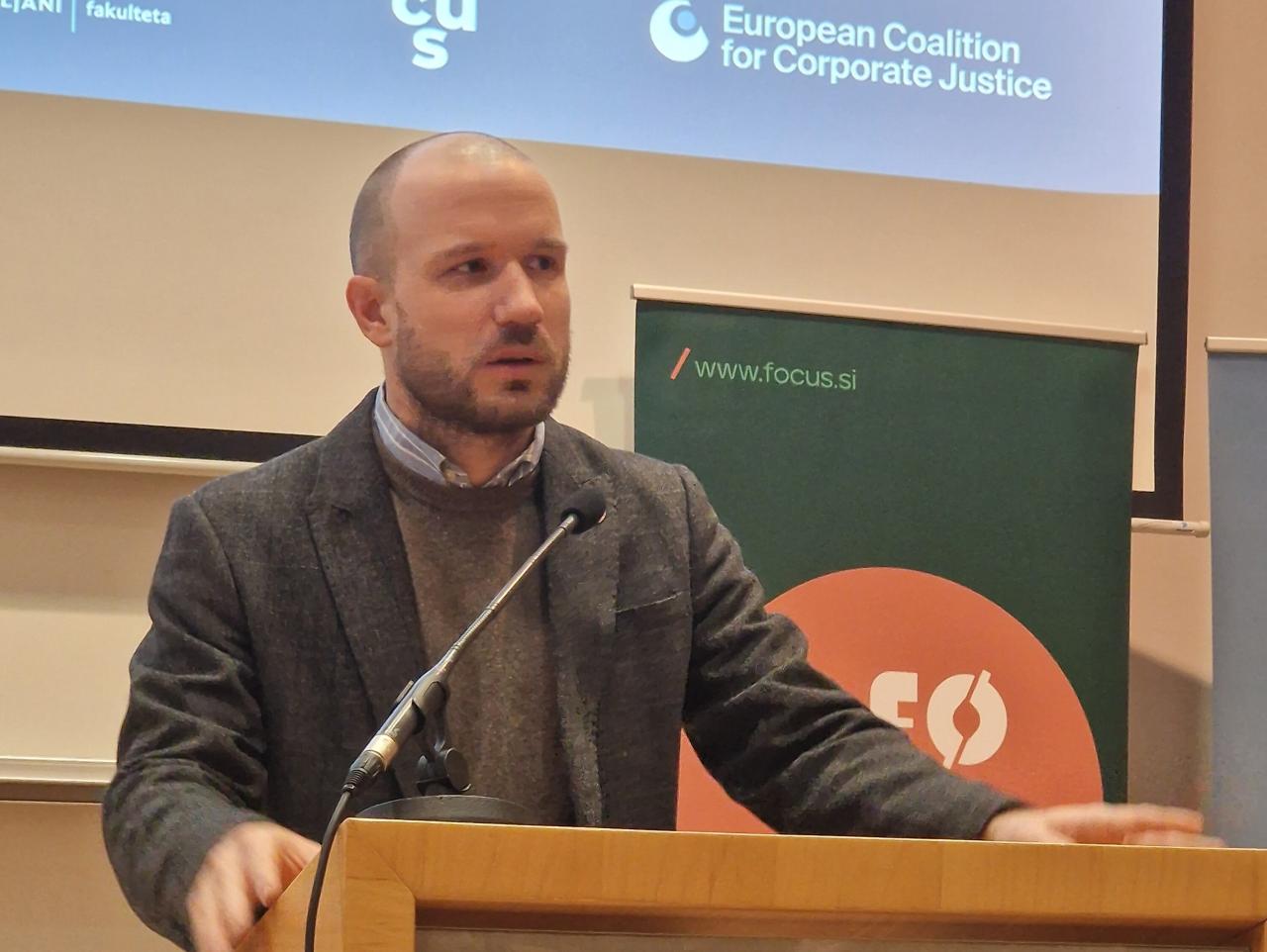
Živa Kavka Gobbo from the environmental organization Focus emphasized that discussions on corporate responsibility for human rights and environmental protection are too rarely held at the national level with various stakeholders. "I am therefore pleased that today's exchange has taken place and I hope that such dialogues will become more frequent in the future and lead to more action. Only in this way will it be possible to implement the existing frameworks more quickly, transparently, and inclusively in practice, namely the revision of the National Action Plan, the operation of the OECD National Contact Point, and the transposition of the Directive on corporate due diligence on sustainability into national legislation," added Kavka Gobbo.
Regardless of the weakness of the current European compromise resulting from the Omnibus, the conclusion of the seminar was that without the active role of countries, without the broad involvement of stakeholders, and without a serious understanding of human rights as a fundamental element of a sustainable economy, this framework will not achieve its purpose. That is why the way Slovenia approaches transposition and implementation will be decisive in determining whether due diligence will mean real change in practice or just another formal obligation. It should also be emphasized that companies should not be left alone in implementing due diligence: they need clear rules, guidelines, support mechanisms, and effective institutions that enable understanding of obligations and assistance in introducing good practices.
The seminar also paid special attention to the supportive environment and the role of the Slovenian National Contact Point for the OECD, which plays an important role in promoting responsible business conduct, dialogue, and addressing issues related to the OECD Guidelines for Multinational Enterprises. Participants emphasized the importance of the OECD National Contact Point acting as a credible, professional, and accessible mechanism that facilitates dialogue between stakeholders, provides support and guidance to companies in implementing responsible business conduct, and effectively addresses legitimate concerns about corporate behavior. The seminar also presented the findings of analyses of corporate reporting in Slovenia and the EU, examples of good practices from abroad, and the views of various stakeholders on expectations and future developments in this area.
The seminar concluded with the idea that responsible business is the foundation of sustainable development and that responsible business and due diligence are not merely a matter of compliance with regulations, but a prerequisite for ensuring that economic development does not come at the expense of human dignity, worker safety, or environmental destruction.
 Back
Back