Human Rights Ombudswoman: “If we do not listen to children, we cannot decide on their rights.”


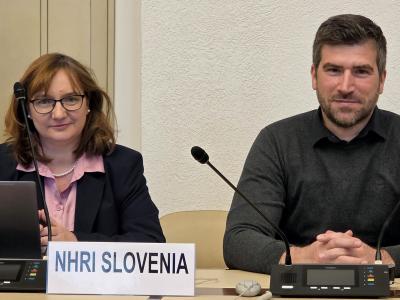
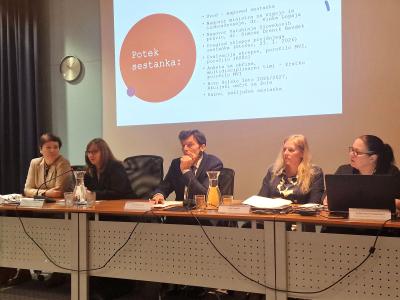
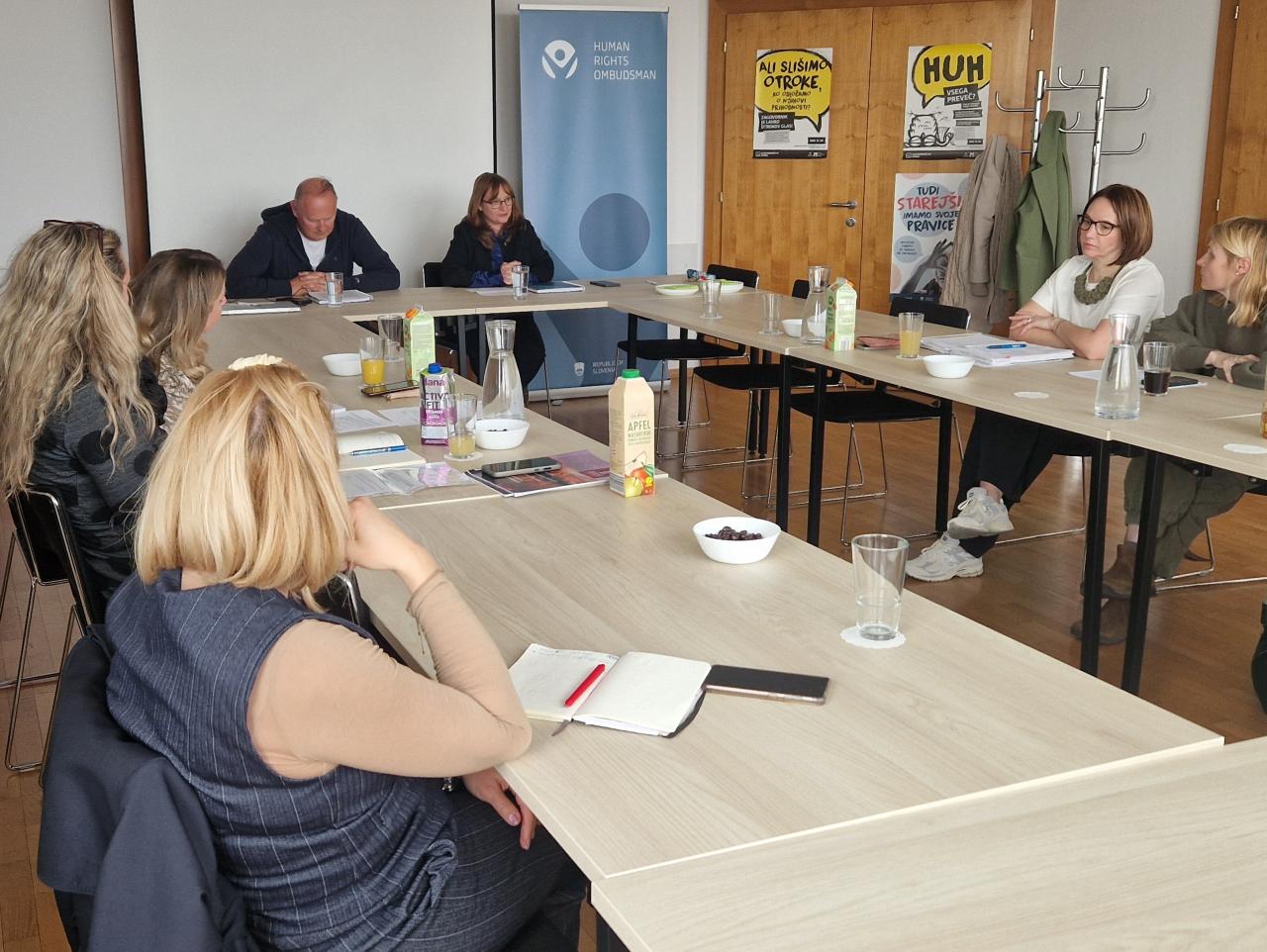
“Child advocacy amplifies the voice of children, which is particularly important today, as many children trust very few people. If we do not listen to children, we cannot decide on their rights,” emphasised the Human Rights Ombudswoman, Dr Simona Drenik Bavdek, in her address to the members of the Expert Council on Advocacy, which met on 26 March 2026 at the premises of the Human Rights Ombudsman.
She stated that it is precisely advocates who restore the trust of children in distress in the system, which is why this mechanism needs to be further developed in line with social changes and needs. Deputy Ombudsman Dr Jože Ruparčič emphasised that advocacy should be used wherever the child’s voice needs to be heard.
The Ombudsman is responsible for organising and ensuring the functioning of child advocacy, which is carried out by child advocates within a network of volunteers. Advocacy provides professional assistance to children, enabling them to express their views in all proceedings and matters in which they are involved, and to convey their views to the competent authorities and institutions deciding on their rights and best interests.
Children most often enter advocacy when they are involved in court proceedings concerning parental separation, changes in custody and care arrangements, contact arrangements, removal from the biological family and placement in institutional care or foster care, as well as cases of neglect, violence and endangerment. All of these situations may have consequences for the child’s mental health and jeopardise their psychophysical development. “In child advocacy, we encounter particularly vulnerable children,” emphasised Dr Ruparčič, adding that, through their professional expertise and humane approach, advocates can help alleviate the distress of children who are victims of various forms of violence.
The Deputy Ombudsman presented the key challenges in child advocacy, which are primarily systemic shortcomings, such as an inconsistent understanding of the advocate’s role, differing work standards, and the late involvement of advocates in proceedings. “These shortcomings reduce the likelihood that a child will be able to express their views in a timely manner and that these views are duly taken into account,” warned Dr Ruparčič. He added that the situation is further exacerbated by increasingly complex cases involving family conflicts, violence and the specific needs of children and parents (including insufficient parenting competencies and social skills), which require well-coordinated cooperation among different professionals. He believes that clearly defined roles, improved cooperation between institutions, and continuous training for all those involved are key to ensuring that proceedings genuinely serve the best interests of the child.
The Ombudswoman emphasised the need to ensure that children receive equally high-quality advocacy, regardless of the region in which they live. “Once a month, the Ombudsman operates outside its seat in different parts of Slovenia, and I am prepared to highlight current issues—for example, at meetings with Centres for Social Work—and also to meet with advocates,” assured Dr Drenik Bavdek.
The Ombudsman explained that child advocacy is a direct implementation of Article 12 of the United Nations Convention on the Rights of the Child, as the advocate helps the child to express their feelings and wishes, which they might otherwise be unable to do. This ensures that their genuine needs, wishes and interests—often overlooked—are taken into account. The advocate enables the child to express their views and conveys them to the relevant parties, namely courts, Centres for Social Work and other authorities involved in decisions concerning the child’s future. However, the advocate is neither the child’s legal representative nor a court-appointed expert assessing what is in the child’s best interests. Their role is solely to ensure that the child’s voice is heard in proceedings and other matters, thereby enabling decisions concerning their best interests to be of higher quality, more comprehensive and made without delay.
In 2025, the Ombudsman received 94 initiatives for the appointment of an advocate; an advocate was appointed in 91 cases. Of all initiatives received, 57 were submitted by parents, 10 by Centres for Social Work, 25 by district courts, one by others and one by the child. The average age of the child at the time of the appointment of an advocate was 10.7 years. In 2025, advocates across the country held a total of 860 meetings with children, amounting to more than two meetings per day throughout the year.
 Back
Back