Human Rights Ombudswoman Attends a Meeting with Dr Vinko Logaj, Minister of Education, and Primary School Principals on the Inclusion of Roma Children in the Education System


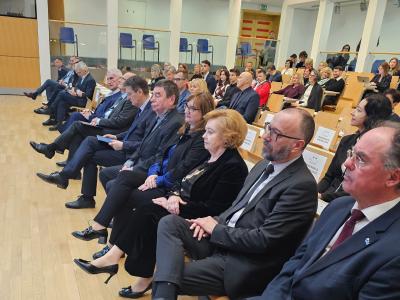
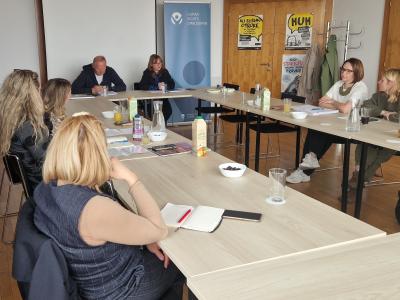
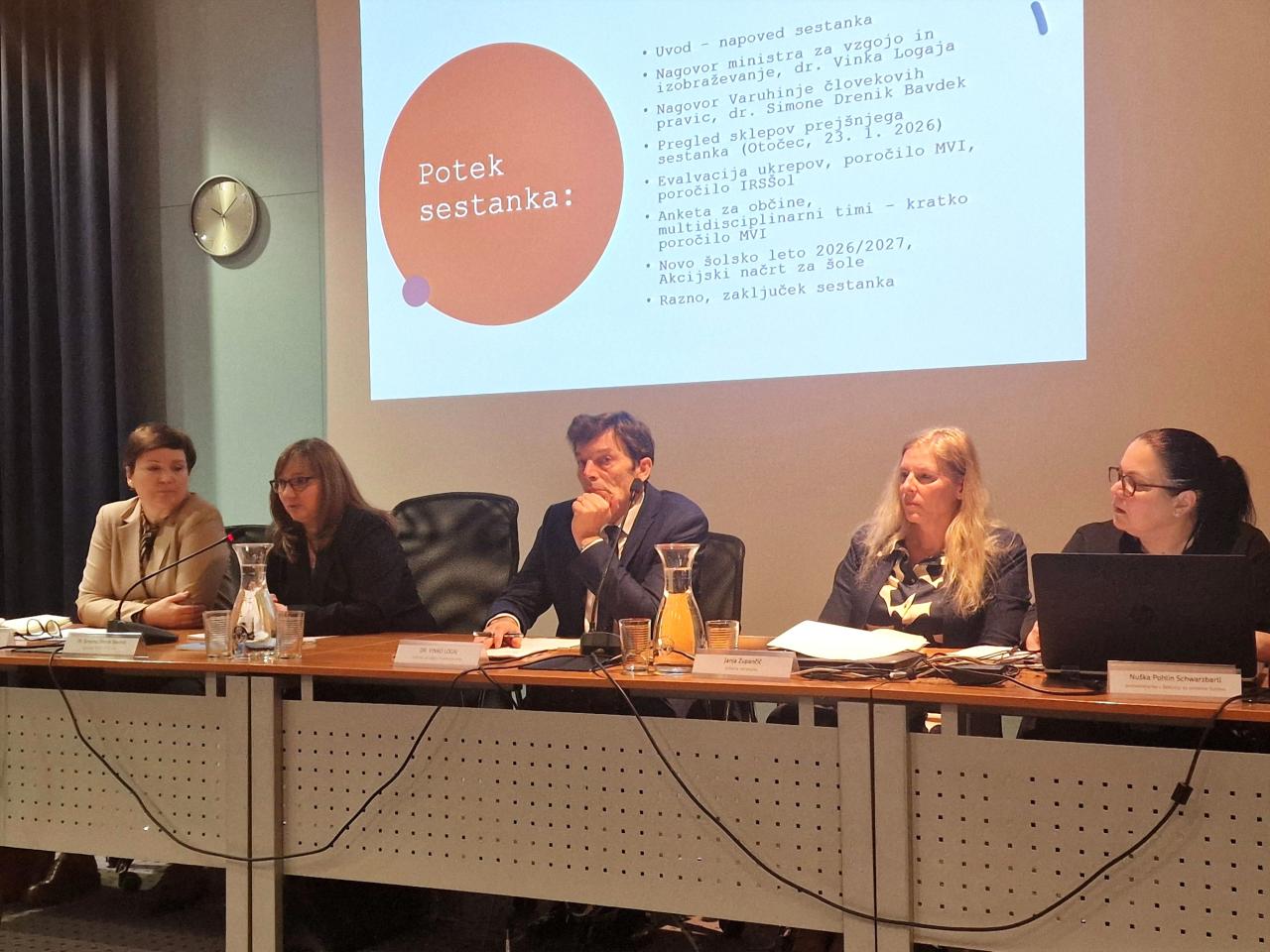
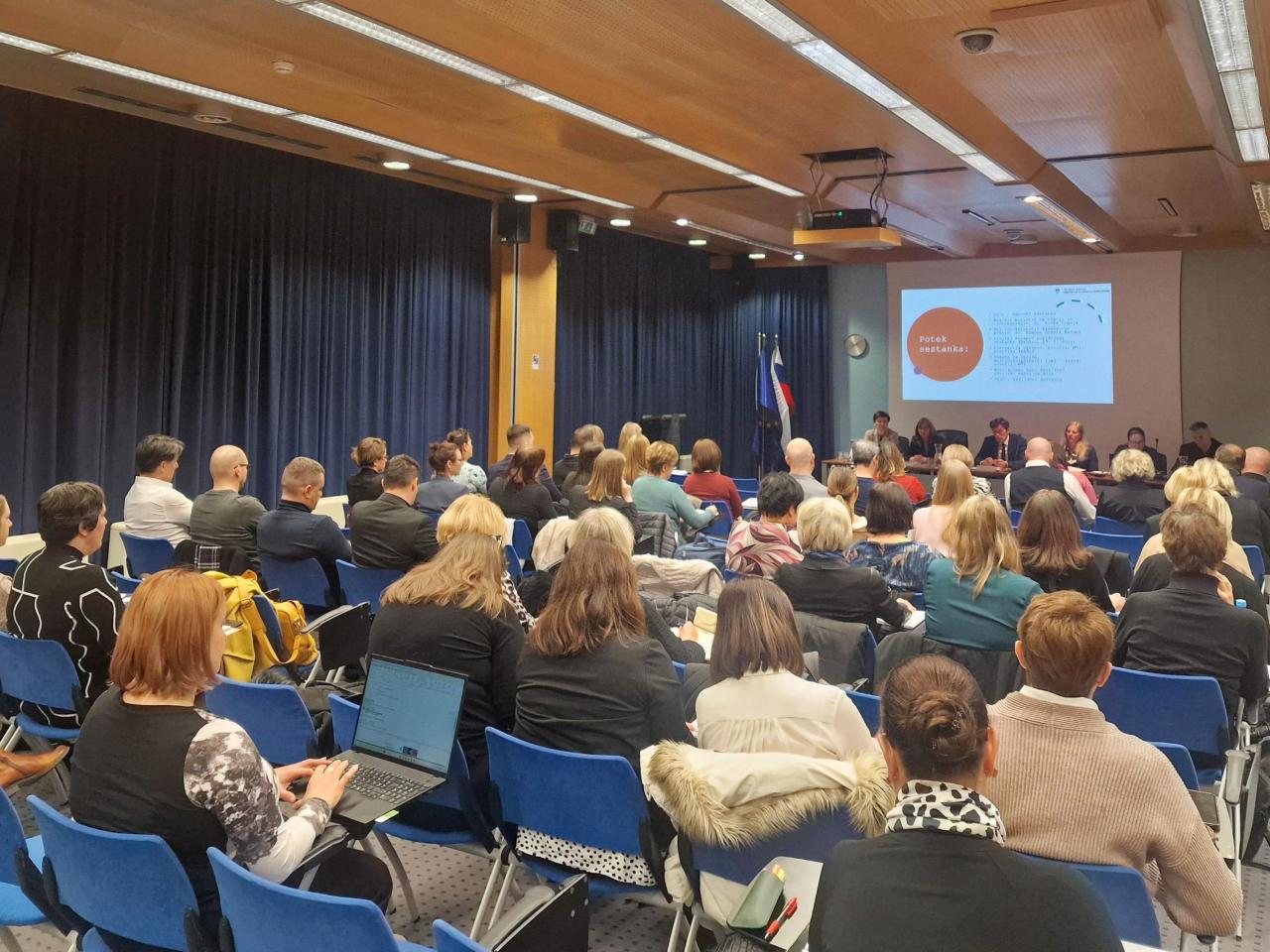
The Human Rights Ombudswoman, Dr Simona Drenik Bavdek, attended a meeting on 27 March 2026 with Dr Vinko Logaj, Minister of Education, and primary school principals from Southeast Slovenia and beyond. The meeting was also attended by representatives of municipalities where schools attended by Roma pupils are located.
The meeting, entitled Support for Schools and Kindergartens in the Effective Inclusion of Pupils and Children in the Education Process, was intended to facilitate the exchange of experiences and to improve the inclusion of Roma children in the education system.
During the discussion, the Ombudswoman particularly emphasised the importance of systematically monitoring and evaluating the effects of the measures adopted. She warned that the available data indicate a concerning situation regarding the inclusion of Roma children in education. According to available data, only 21.3% of Roma pupils nationwide complete all nine years of primary school, while in Southeast Slovenia this share is even lower (12.3%).
She further emphasised the need to pay greater attention to the so-called triangle of the child–school–parents. In this context, she stressed that inclusion in the education process constitutes the realisation of children’s right to education; it is therefore particularly important that the education system provides children from less supportive environments with additional support, an inclusive environment, and appropriate conditions for successful inclusion.
She highlighted the low participation of Roma children in preschool education as a significant systemic barrier. Many children encounter the Slovenian language and the functioning of the education system for the first time only upon entering primary school, which may hinder their inclusion and increase the risk of educational difficulties. She also pointed to the need to address housing conditions simultaneously, as these significantly affect children’s opportunities for successful inclusion in education.
She identified the introduction of Roma assistants in the education system as a positive step, while stressing that further effective measures are urgently needed. She also emphasised the importance of a careful introduction of digitalisation in the education process, ensuring that new technologies do not further exacerbate inequalities or disproportionately affect vulnerable groups.
The Ombudswoman concluded that reducing inequalities requires comprehensive, long-term and cross-sectorally coordinated measures that address the root causes of exclusion and ensure equal opportunities for all children.
 Back
Back