Human Rights Ombudswoman Visits Center IRIS: “The State’s Priority Must Be to Find More Suitable Alternative Premises”


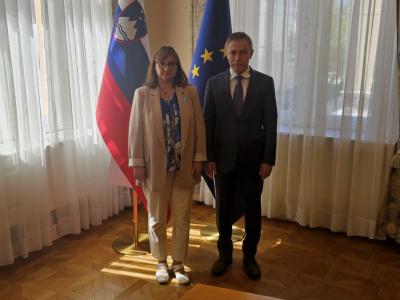
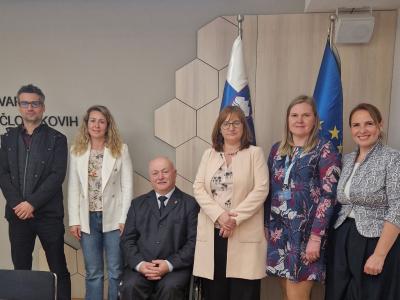
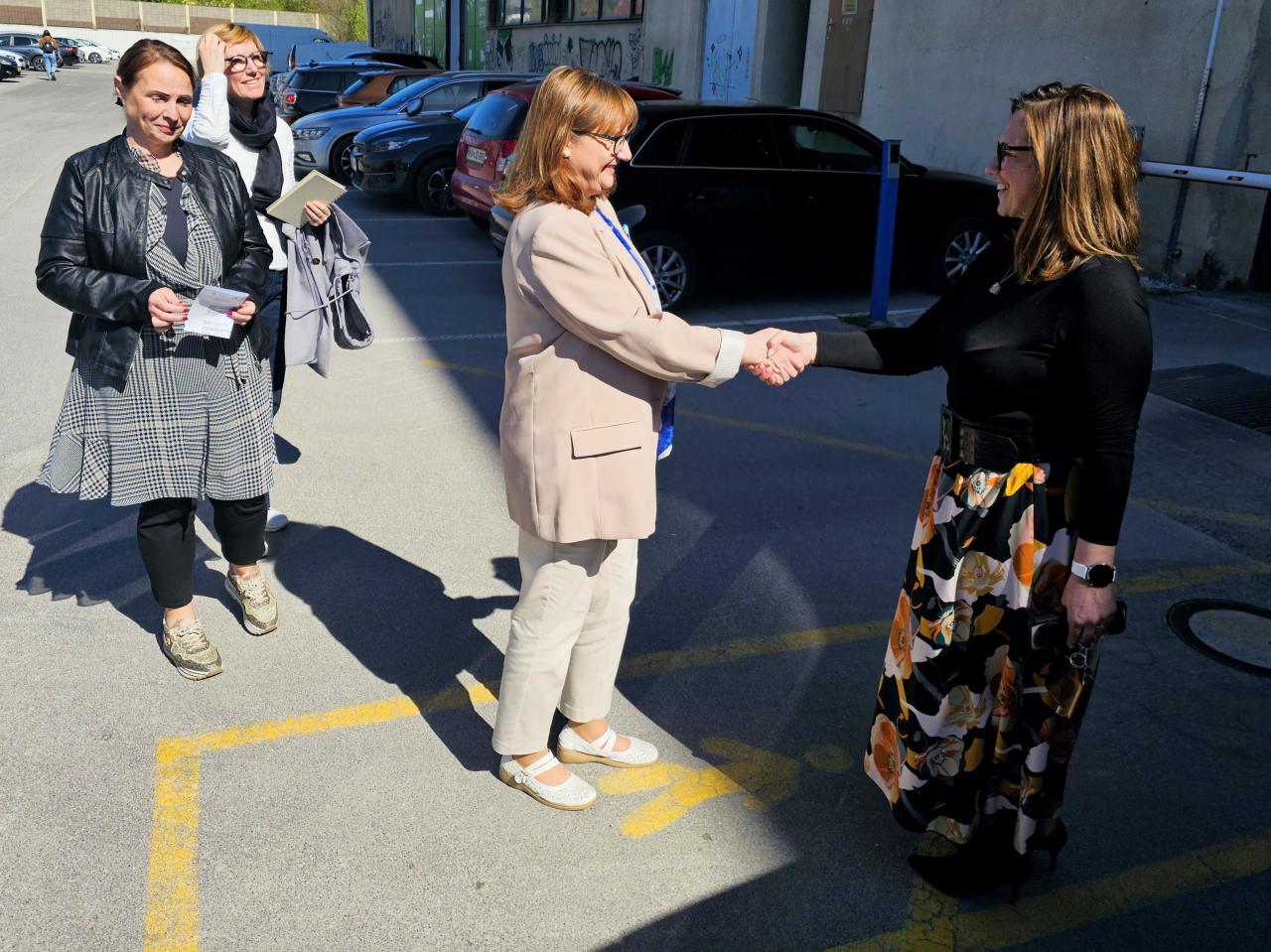
On her own initiative, Human Rights Ombudswoman Dr Simona Drenik Bavdek visited Center IRIS (a centre for education, rehabilitation, inclusion and counselling for the blind and visually impaired) today, 7 April 2026. She assesses that the premises are not suitable for implementing educational programmes for children. Therefore, the state should urgently find more appropriate premises in cooperation with the relevant ministries and the Municipality of Ljubljana.
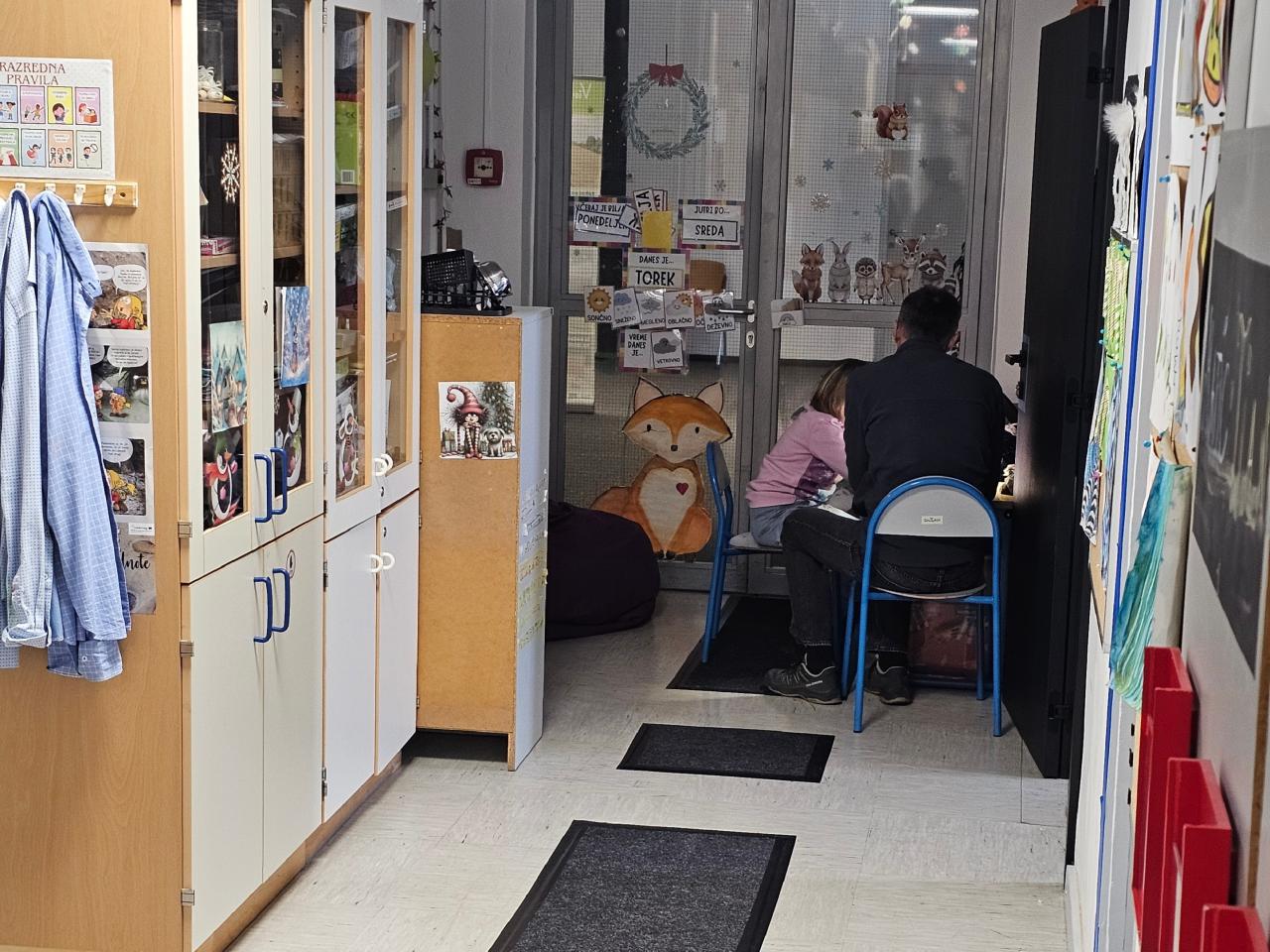
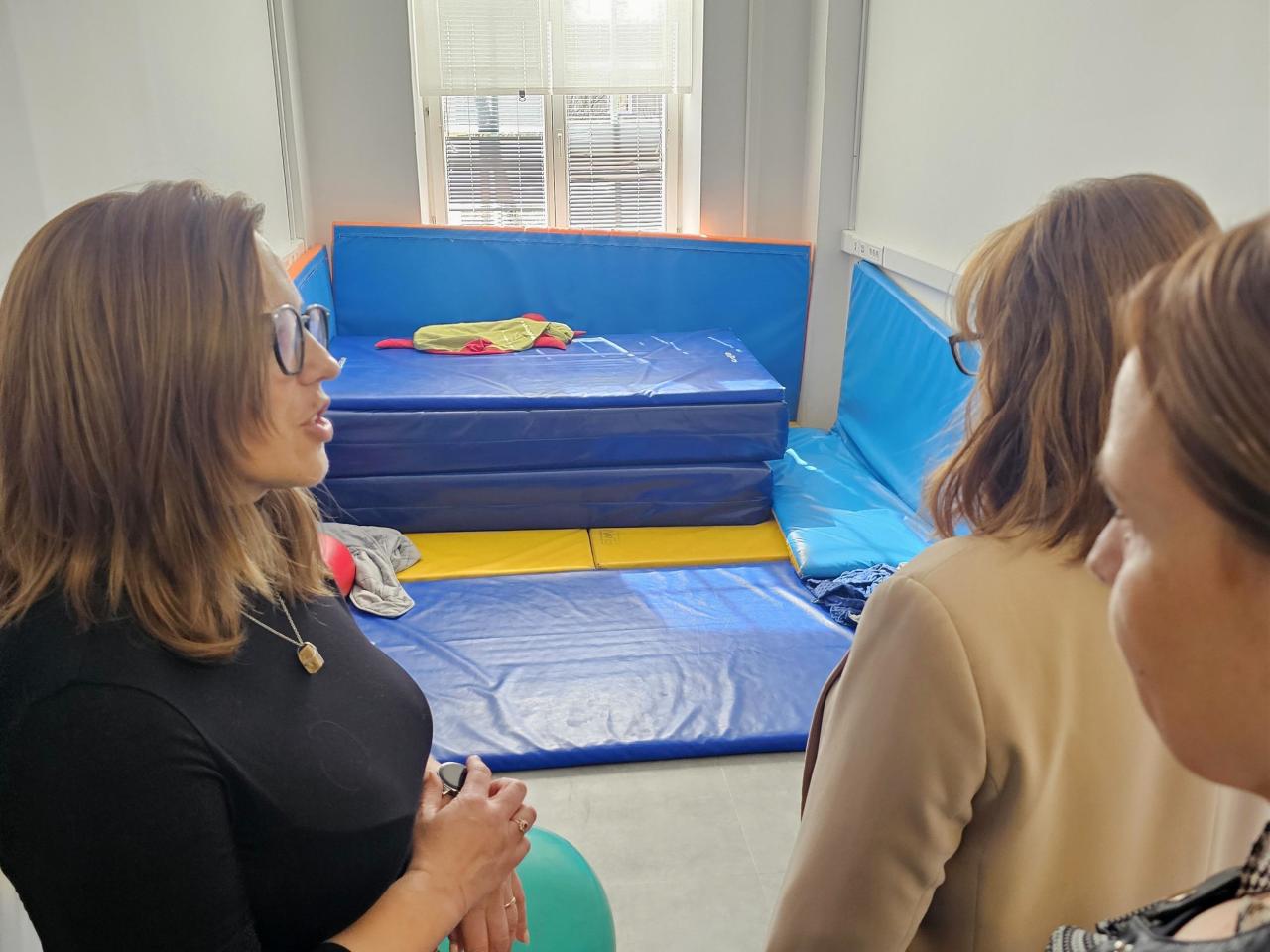
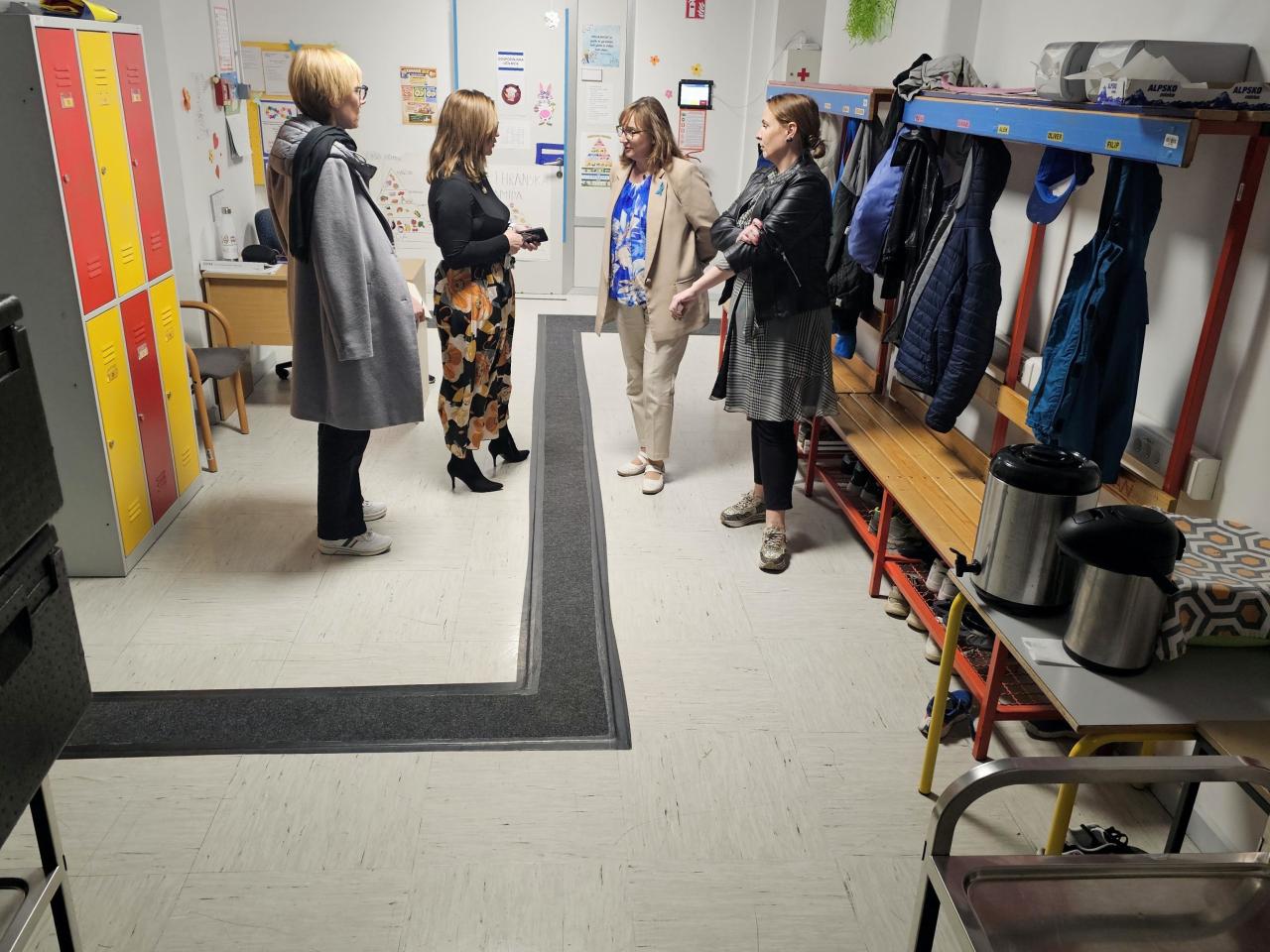
The visit and familiarisation with the situation were prompted by a report on commercial television highlighting the centre’s unsuitable and even dangerous conditions. Center IRIS has been operating from a temporary location in Tobačna for two years, as its original building was declared unsafe. This temporary location lacks basic infrastructure: there are too few undersized classrooms; no spaces for calming down or implementing specialised programmes and activities; no dining hall, meaning meals are eaten in classrooms while teachers eat in the corridor; accessing the remote gym is logistically challenging, particularly given the children’s special needs; there is no playground or outdoor recreation space; and the classrooms do not even have running water. Teaching for all programmes, from the first year of primary school to the fourth year of secondary school, takes place along a single corridor. Parents therefore highlight the lack of basic conditions for upbringing and education, as well as violations of children’s right to dignified schooling.
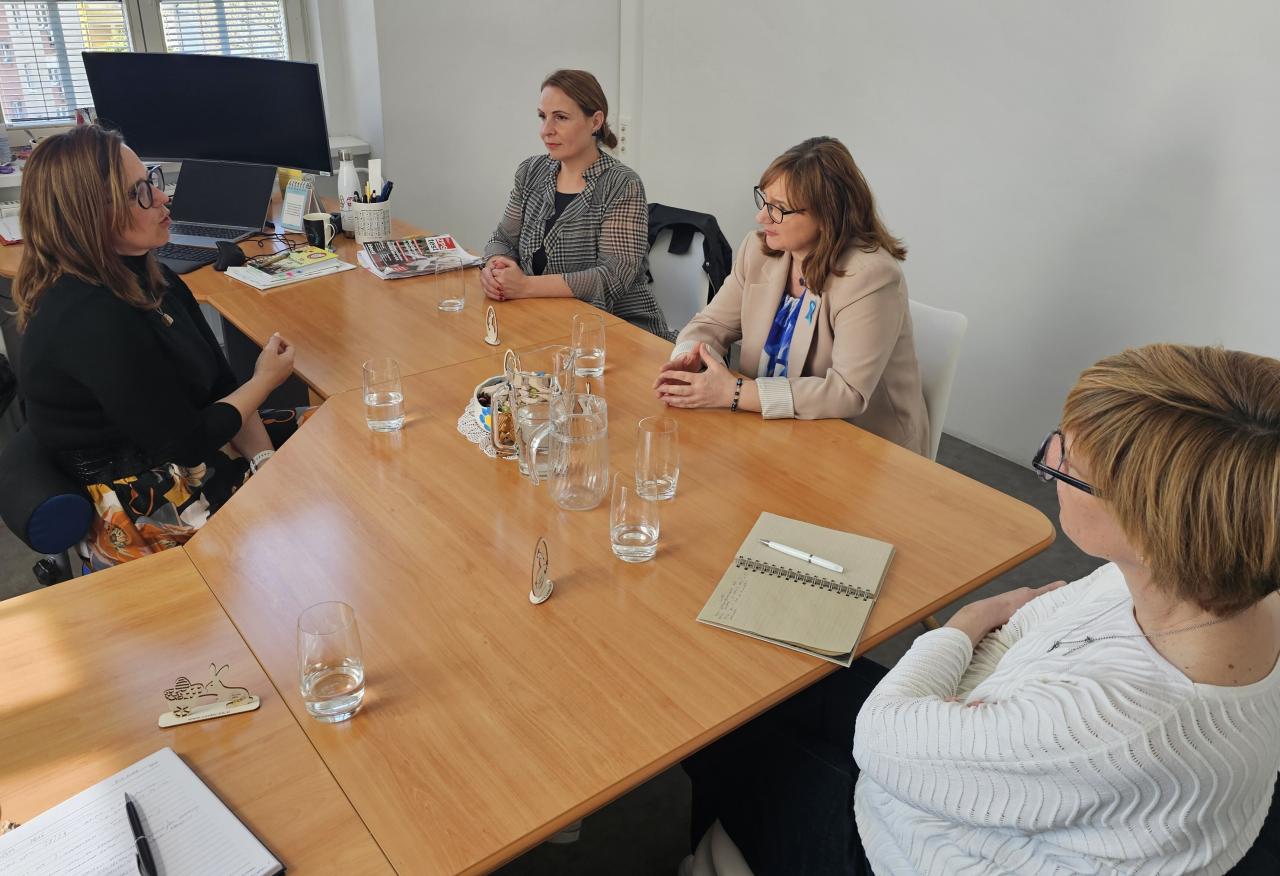
The Director of Center IRIS, Romana Kolar, presented the centre’s mission, history, activities, programmes and current educational and accommodation conditions to the Ombudswoman. Center IRIS is a nationally important institution founded by the Government of the Republic of Slovenia. It provides adapted educational programmes for blind and visually impaired children and young people from preschool to secondary school level, as well as services for blind and visually impaired people (including those with multiple disabilities), counselling, training and support for target groups and the wider community. It also offers an adapted primary school programme with an equivalent educational standard for children with autism spectrum disorders. According to the relevant ministry, relocation to new premises is not expected until the 2028/29 school year at the earliest.
During the visit, the Ombudswoman gained a more detailed insight into the situation at the centre’s temporary location, the envisaged timeline for its stay there and the complications arising from operating under unsuitable conditions. She also toured the premises and observed that they are unsuitable for both children and teachers and other staff. Staffing issues are particularly concerning. The centre is facing a shortage of appropriately qualified teachers. Since September, 137 job advertisements have been published for various roles, and the centre could currently employ 35 typhlopedagogues immediately; however, there are almost none in Slovenia, as no Slovenian university offers studies in this field. Since Slovenia gained independence, only one generation of students — approximately 15 — has reportedly completed such studies in the country.
At the end of the visit, Human Rights Ombudswoman Dr Simona Drenik Bavdek expressed her support for Center IRIS and activities aimed at finding solutions in terms of both premises and staffing. “We wish to actively contribute to improving the situation so that Center IRIS can provide a safe and dignified environment in which to educate children with special needs, ranging from blindness and visual impairment to autism spectrum disorders. We have already begun taking action: we have requested initial explanations from the relevant ministry, which will inform our future activities.” The Ombudswoman aims to establish contacts and cooperation with other institutions as soon as possible to secure more suitable alternative premises in time for the start of the new school year. An important question is what kind of society we wish to live in: “Among us are children with special needs, as well as their parents. A successful and healthy society should show greater empathy and support for the most vulnerable. We must not turn a blind eye to their presence among us. Therefore, as I have already announced, I will pay particular attention to safeguarding the rights of children, especially the most vulnerable, during my mandate.”
 Back
Back